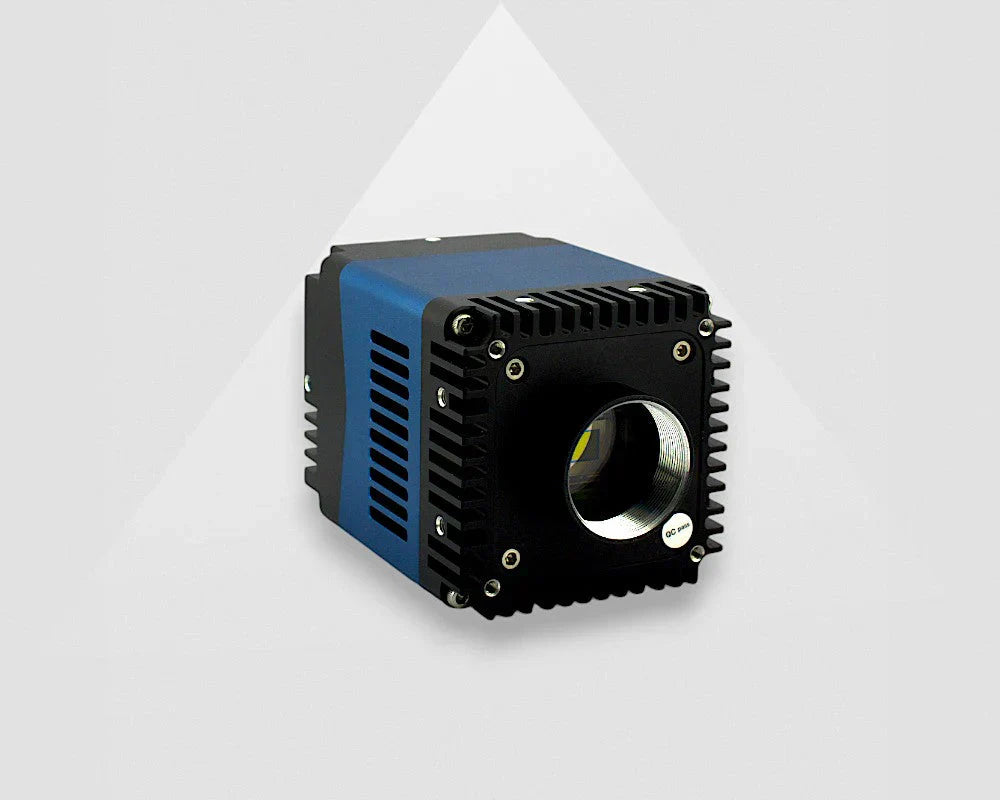


Power of Sony IMX Sensors – Including a Free Sony IMX Sensor Lookup Table
 Gaspar van Elmbt
Sony IMX Sensors have become the standard in industrial and scientific imaging, offering good image quality, speed and reliability. Whether used in precision inspection, machine vision or robotics, these sensors form the core of many of today’s most advanced imaging systems.
We specialize in industrial cameras built around Sony’s IMX sensor technology. To help engineers and developers choose the right solution, we have created a free, downloadable Sony IMX Sensor Lookup Table. This quick reference guide makes it easy to compare specifications like resolution, frame rate, sensitivity and shutter types across our IMX-based camera lineup.

Introduction to Sony IMX Sensors
Sony developed the IMX series to push the boundaries of what CMOS image sensors can deliver. While traditional CCD sensors were known for quality but limited in speed, Sony’s CMOS-based IMX line combines the advantages of both: high image, fidelity, low noise and fast readout speeds. These sensors are used in a wide range of applications, including:
- Industrial automation and inspection
- Robotics and autonomous systems
- Medical and scientific imaging
- Surveillance and transportation
Their combination of global and rolling shutter options, broad dynamic range and exceptional sensitivity makes the Sony IMX family one of the most versatile imaging platforms available today.
Download Your Free IMX lookup table
Selecting the right Sony IMX sensor is easier with our free Sony IMX Sensor Lookup Table, a compact PDF designed to help engineers and system designers compare options fast. Fill in your e-mail and submit to have instant access to:
- > Complete list of Sony IMX sensors
- > Interface types
- > Resolution and pixel size
- > Sensor size
- > VA Imaging camera part numbers corresponding to each sensor
A Brief History of the Sony IMX Sensor
Sony’s work in CMOS imaging began with the goal of matching and eventually surpassing CCD performance.
- 2014 – The introduction of the IMX174 and IMX249 sensors marked the beginning of the Pregius line, introducing global shutter CMOS sensors that delivered CCD-like image quality.
- 2016-2018 – The second generation of Pregius sensors expanded quickly with popular models like IMX250, IMX252 and IMX304, offering higher frame rates and improved quantum efficiency.
- 2019 onward: Sony introduced Pregius S (fourth generation), featuring back-illuminated (BSI) pixel architecture for greater sensitivity and smaller pixel sizes.
- In parallel, Starvis sensors were developed for low-light and rolling shutter applications such as surveillance, automotive vision and scientific imaging.
Today, IMX sensors include dozens of models designed for every possible imaging requirement from impact, high-speed sensors to ultra-sensitive, high-resolution imagers.
Advantages of Sony IMX Sensors
The strength of the Sony IMX Sensor family comes from its well-balanced combination of
performance, efficiency and image quality. Key advantages include:
- Outstanding image quality: low noise, high sensitivity and precise color reproduction across all lighting conditions.
- High frame rates: ideal for capturing fast-moving objects in inspection, packaging, or robotics applications.
- Global and Rolling Shutter Options: choose between motion-free imaging (global) or ultra-sensitive performance (rolling).
- Compact and Power-Efficient Design: enables smaller, lighter and more efficient camera systems.
- Proven Reliability: IMX sensors are widely adopted and tested in industrial, scientific and commercial markets.
How to select the best Sony IMX Sensors for your application
Choosing the right IMX sensors depends on key performance requirements:
- Resolution: determines the level of detail needed.
- Frame rate: crucial for dynamic or fast-moving objects.
- Shutter type: global shutter for motion capture, rolling shutter for high-sensitivity static imaging.
- Pixel size and sensitivity: smaller pixels for compact systems, larger pixels for low-light performance.
- Interface Compatibility: Ensure the sensor supports the required output (USB3, GigE, etc).
Our Sony IMX Sensor Lookup Table (Free PDF) provides a quick way to compare specifications like resolution, frame rate and sensitivity across all IMX models.
Industrial cameras using Sony IMX SENSORS
Choosing the right camera starts with understanding what each Sony IMX sensor has to offer. To support that process, we have created VA Imaging Image Sensor Blog an expanded collection of in-depth articles that highlight the capabilities and performance of individual Sony IMX sensors.
In the blog, you will find detailed overviews of popular sensors such as the IMX174, IMX265, IMX304 and the latest Pregius S series. Each article includes examples of our industrial cameras that use sensors, along with clear explanations of key specifications like resolution, frame rate, pixel size and shutter type. This helps engineers and system designers quickly compare options and choose the best fit for their application.

faq: Sony IMX Sensors
Unlock the Full Power of Sony IMX Technology
Sony IMX sensors have become a benchmark in modern imaging. Known for their speed, sharpness and excellent low-noise performance, they are widely used in industrial, scientific and embedded applications. Combined with our experience and camera portfolio, these sensors can help you improve image quality, streamline workflows and tackle demanding vision tasks with confidence.
To make it easier to compare the different Sony IMX options, we have created a free Sony IMX sensor lookup table PDF, available immediately after filling this form. It provides a clear overview of key specifications, shutter types and resolutions, so you can quickly identify the sensor that fits your project.
If you are looking for a camera that uses Sony IMX technology or if you would like support choosing the right sensor, feel free to contact us through our form. Our team is ready to help you find the best solution for your application.