

CoaXPress is a high-speed camera interface used in machine vision when standard interfaces cannot deliver enough bandwidth, synchronization, or reliability. In this guide, you will learn what CoaXPress is, how CoaXPress 2.0 works, when a frame grabber is required, and how it compares with GigE Vision and USB3 Vision. If your application involves high frame rates, high-resolution sensors, or multiple synchronized cameras, CoaXPress may be the right fit.
What Is CoaXPress 2.0?
CoaXPress is a high-speed camera interface used in machine vision when standard interfaces cannot deliver enough bandwidth, synchronization, or reliability. In this guide, you will learn what CoaXPress is, how CoaXPress 2.0 works, when a frame grabber is required, and how it compares with GigE Vision and USB3 Vision. If your application involves high frame rates, high-resolution sensors, or multiple synchronized cameras, CoaXPress may be the right fit.

What Is CoaXPress?
CoaXPress is a high-speed interface standard for image transmission in machine vision, industrial imaging, scientific imaging, and medical imaging systems. It uses coaxial cable to transmit image data, control signals, and in many cases power, making it a strong choice for applications that need high performance with simple cabling. CoaXPress is designed for systems where bandwidth, synchronization, and reliability are critical. Typical use cases include:
- High-speed inspection
- Large image files
- Multiple synchronized cameras
- Multi-view imaging
- 3D vision systems
- Scientific and medical imaging
How CoaXPress 2.0 Works
CoaXPress 2.0 is the newer version of the standard and is built for more demanding imaging applications. A single CoaXPress 2.0 cable can carry up to 12.5 Gbps of image data. In multi-cable systems, total bandwidth can reach 50 Gbps. This allows cameras and frame grabbers to support high-resolution sensors, fast frame rates, and synchronized multi-camera capture. Because CoaXPress uses coaxial cabling, it combines high-speed serial transmission with a practical and robust physical connection. That makes it especially useful in industrial machine vision environments where stable performance matters.
Why CoaXPress Matters in Machine Vision
CoaXPress matters in machine vision because the camera interface can become a bottleneck when image sensors, frame rates, or system complexity increase. In applications with fast production lines, high-resolution cameras, or synchronized multi-camera setups, the interface must move large volumes of data reliably and with low latency. CoaXPress is designed for exactly these conditions. Key advantages of CoaXPress include:
- High-speed image transmission for industrial cameras
- Up to 12.5 Gbps per cable with CXP-12
- Up to 50 Gbps in multi-cable configurations
- Support for synchronized multi-camera systems
- Reduced cabling complexity
- Compatibility with frame grabber and SDK-based workflows
CXP-6 vs CXP-12: Channels, Links and Bandwidth
CoaXPress scales bandwidth by adding links between the camera and the frame grabber. Each coaxial connection is often referred to as a channel or link. As more links are added, the system can support more data, which is useful for higher resolutions and faster frame rates. Common link speeds include:
- CXP-6: up to 6.25 Gbps per link
- CXP-12: up to 12.5 Gbps per link
The camera and frame grabber must support the same number of links, and each camera output must connect to a matching frame grabber port.
This scalable structure is one of the main reasons CoaXPress works so well in high-performance machine vision systems.
| Configuration | Number of cables | Total bandwidth |
|---|---|---|
|
Single-link |
1 |
Up to 6.25 Gbps or 12.5 Gbps |
|
Dual-link |
2 |
Up to 25 Gbps |
|
Quad-link |
4 |
Up to 50 Gbps |
Power over CoaXPress (PoCXP) Explained
Power over CoaXPress, or PoCXP, allows one coaxial cable to carry power, data, and control signals at the same time. This reduces the number of cables in the system and helps simplify installation. For OEMs and system integrators, PoCXP can improve reliability while also reducing cable clutter and component count. Practical benefits of PoCXP include:
- Fewer cables
- Simpler system design
- Faster installation
- Lower component count
- Reduced overall cost
Do You Need a Frame Grabber for CoaXPress?
Yes, a CoaXPress system requires a compatible frame grabber.
The frame grabber receives image data from the CoaXPress camera and transfers it into the host PC for processing. It also plays an important role in synchronization, triggering, and managing multi-link or multi-camera configurations.
A typical CoaXPress setup includes:
- A CoaXPress camera
- A compatible frame grabber
- Coaxial cables
- A host PC with available PCIe capacity
Depending on the application, additional requirements may include camera I/O, triggering, strobe control, or support for multiple frame grabbers in one PC.

CoaXPress vs GigE Vision vs USB3 Vision
CoaXPress is generally the better choice when your application needs more bandwidth, tighter synchronization, or more reliable high-speed image transfer than GigE Vision or USB3 Vision can provide.
Each interface has its strengths:
- CoaXPress: Best for high-speed industrial imaging, synchronized multi-camera systems, and applications with high data throughput.
- GigE Vision: Often a good choice for longer cable runs, network-based setups, and applications where bandwidth demands are more moderate.
- USB3 Vision: Often suitable for simpler and more cost-sensitive systems where short cable runs and easy setup are priorities.
In practice, CoaXPress is often selected when image throughput, deterministic triggering, and system stability matter more than entry-level simplicity.
Software Compatibility and SDK Support
CoaXPress cameras support both viewer software and SDK-based development workflows. That means integrators and developers can use CoaXPress cameras in inspection systems, custom applications, and machine vision platforms without giving up control over acquisition settings and system behavior. Common software features include:
- Live view and acquisition control
- Gain and exposure adjustment
- ROI selection
- Hardware and software triggering
- LUT, gamma, and color correction
- Temperature monitoring and diagnostics
- Real-time control of multi-channel or multi-camera systems
SDK support may include:
- C++
- C#
- Python
- GenICam-based workflows
- Third-party vision library integration
Is CoaXPress Right for Your Application?
CoaXPress is the right choice when your application needs ultra-high data rates, reliable image transmission, simplified cabling, or multiple synchronized cameras. It is especially relevant for:
- Automated inspection
- Scientific imaging
- Medical imaging
- 3D imaging
- Multi-camera systems
- High-speed industrial vision
If your imaging system needs up to 12.5 Gbps per cable, up to 50 Gbps in multi-cable setups, and support for PoCXP, CoaXPress offers a strong foundation for high-performance machine vision.
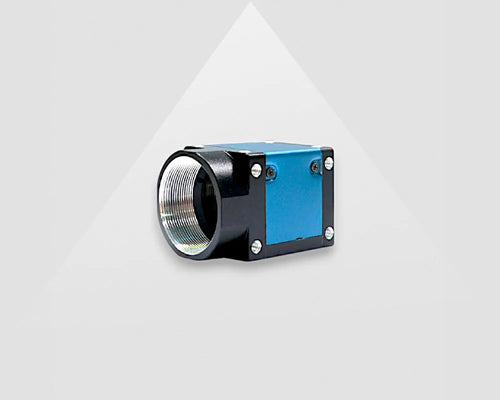
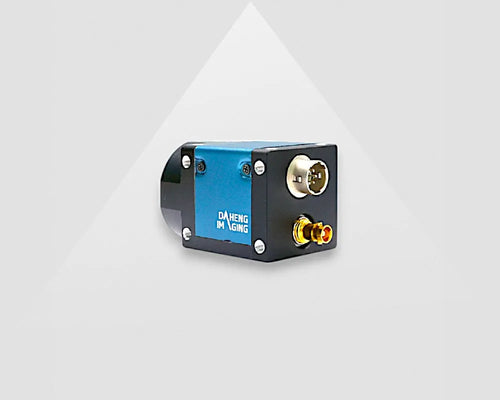
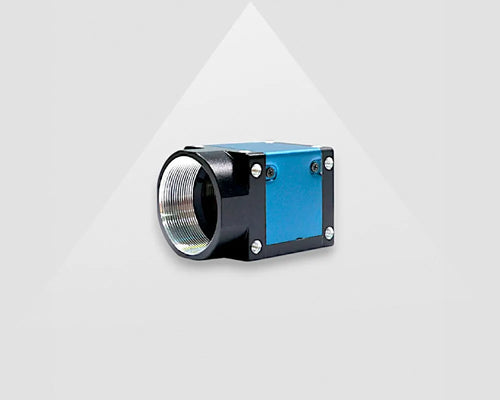
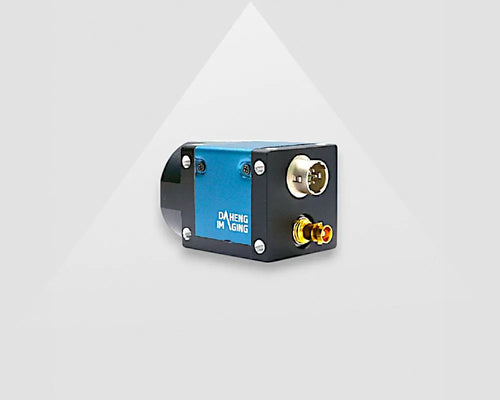
Explore our CoaXPress cameras


Frequently Asked Questions About CoaXPress
Need Help Choosing the Right CoaXPress Setup?
Compare interface options, understand when a frame grabber is required and find the right camera for your application. Not sure whether CoaXPress, GigE Vision, or USB3 Vision is best? Our team can help you choose the right setup.