
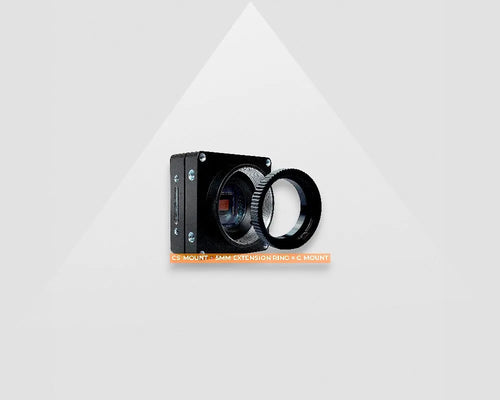
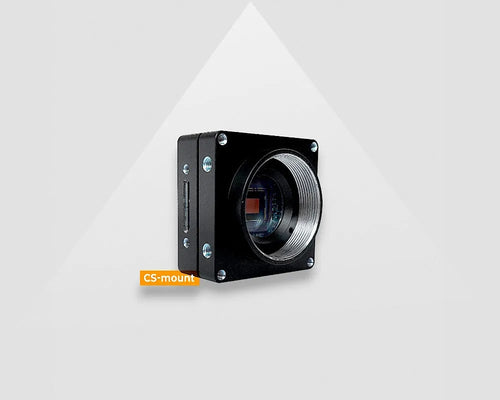
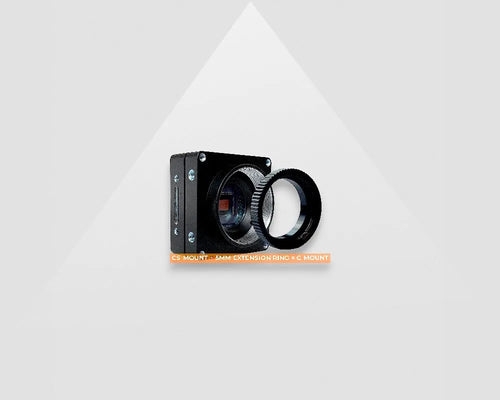
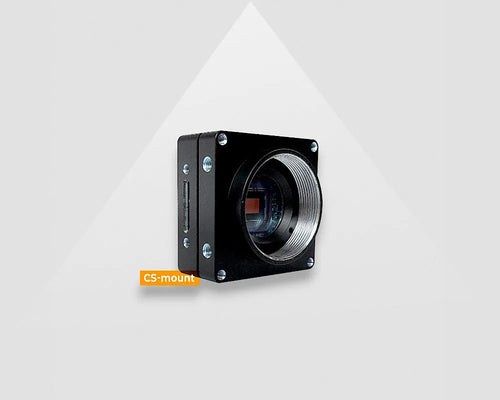
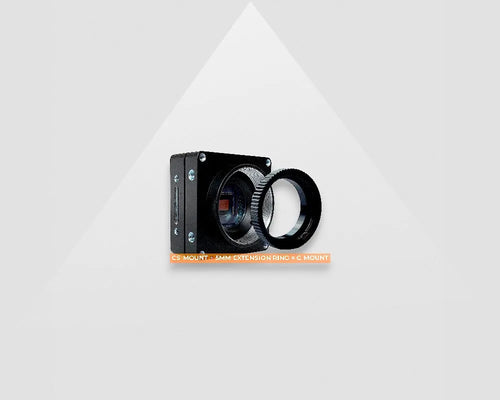




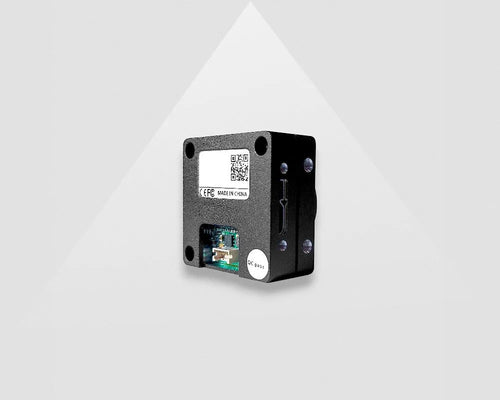
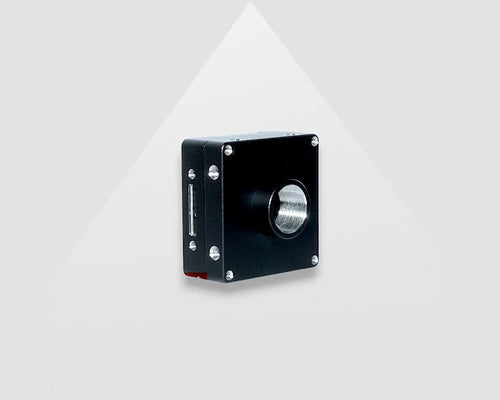
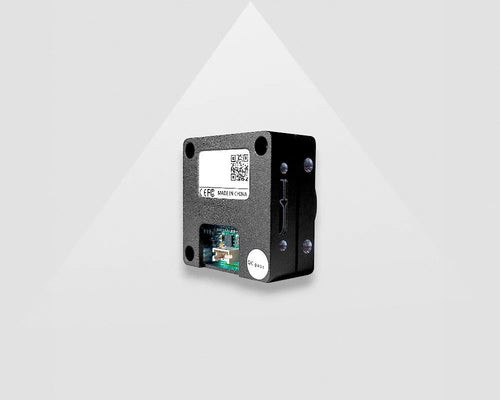
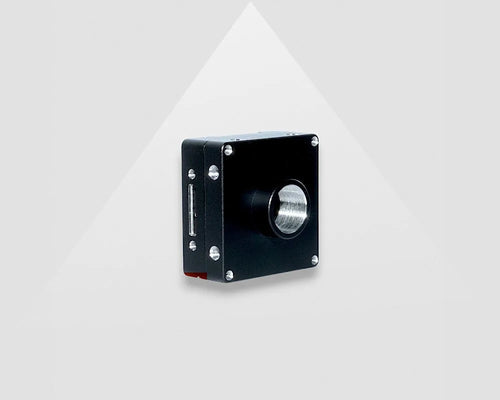
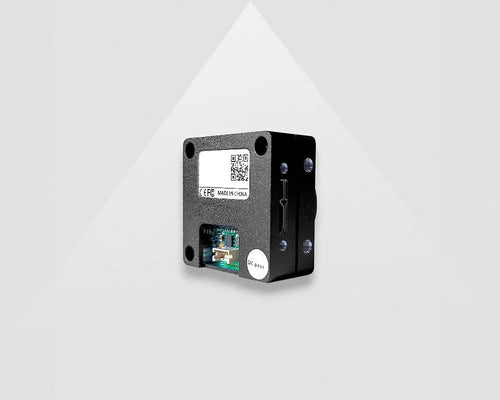
VA Imaging's USB3 camera portfolio is designed for machine vision environments where consistent performance matters. Models are available with CMOS or CCD sensors and can be used across a wide range of industrial and laboratory applications, including automated inspection, pharmaceutical imaging, high-speed production monitoring, robotics, embedded vision, OEM integration, and guidance systems.
The USB3.0 interface is widely used in machine vision because it supprts rapid data transfer while keeping system architecture straightforward. Instead of requiring complex network configuration, a USB camera can connect directly to a host computer, helping simplify setup and reduce integration time.
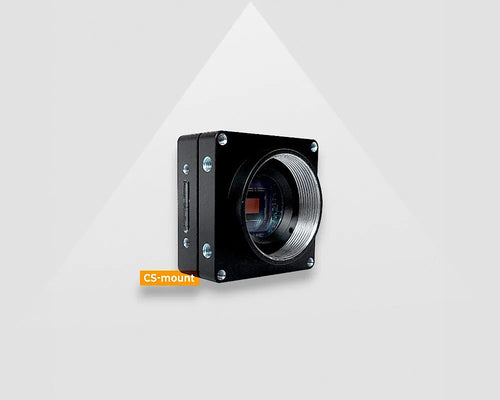
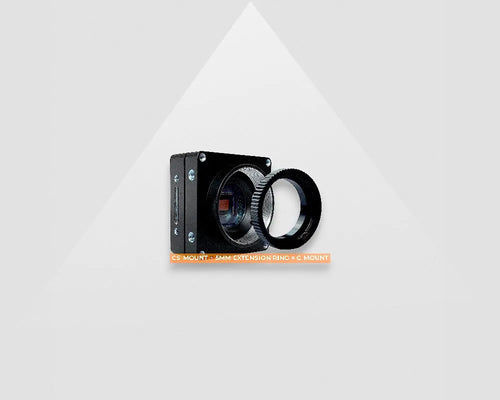
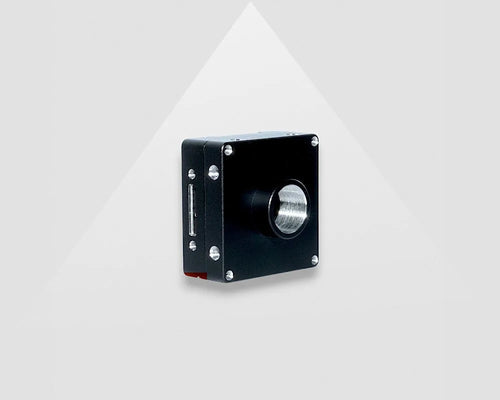
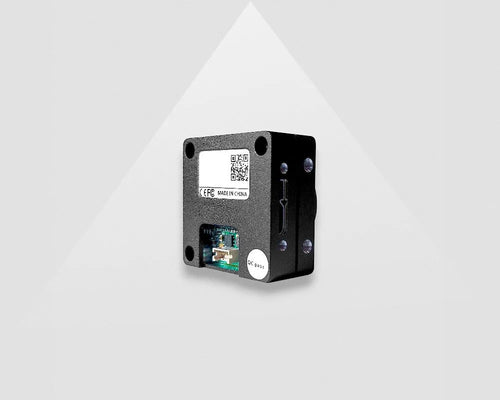
Many compact USB3 cameras are available in a 29 x 29 x 29 mm housing, with some models using slightly longer enclosures depending on the sensor and camera family. Larger models, including cameras built around larger Sony sensors, are offered in more robust industrial housings.
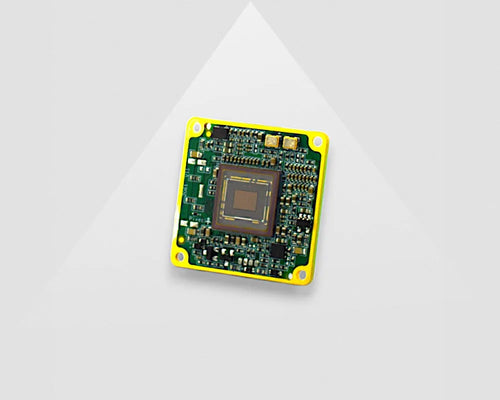
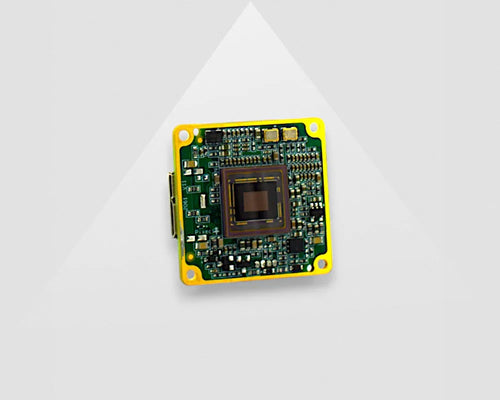
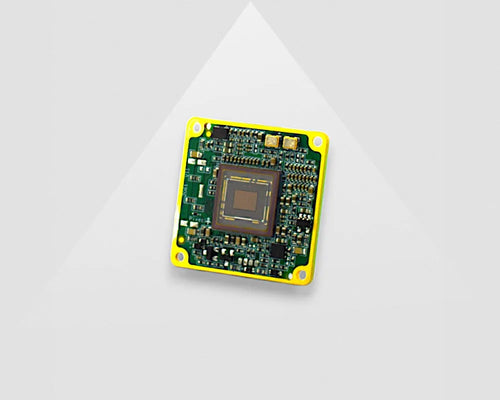
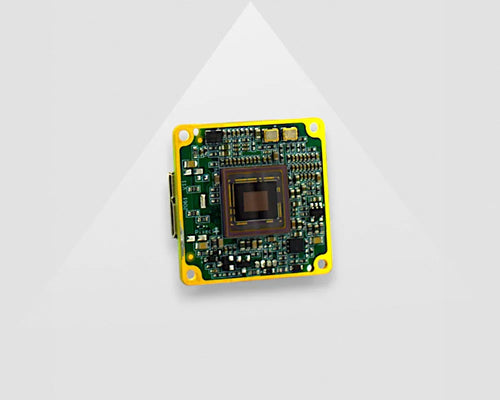
For OEM projects or space-constrained designs, board-level versions are also available. These are a strong fit for custom enclosures, embedded systems, and dedicated USB 3.0 camera system designs where mechanical flexibility is important. Whether the requirement is a housed camera or a compact USB3 Camera module, VA Imaging can help match the format to the application.
A USB 3.0 industrial camera is often the right choice when an imaging system needs high resolution, fast frame rates, and a simple connection to standard computing hardware. Compared with USB2, USB 3.0 provides significantly more bandwidth and is better suited to modern machine vision sensors and high-speed inspection tasks.
Key advantages include fast image transfer, compct camera dimensions, broad software compatibility, direct connection to standard PCs, lower processing overhead than older USB systems, and strong performance in industrial, laboratory, and embedded vision environments. For many Canadian machine vision projects, USB3 provides an effective balance of performance, cost, and ease of deployment.
VA Imaging's USB3 camera range can also support embedded computing platforms, including ARMv7 and ARMv8 developer boards such as Raspberry Pi 4, Odroid, NVIDIA Jetson TX1, TX2, and Tegra TK1, as well as Intel x86 platforms such as UP Board. Development support may include Linux drivers and sample code in C++, C#, and Python.
The USB3 Vision standard helps improve interoperability between machine vision cameras and software platforms. It supports integration with environments such as MATLAB, HALCON, Adaptive Vision, and LabVIEW. USB3 Vision cameras are therefore well suited to professional imaging systems where stable drivers, dependable communication, and long-term compatibility are important.
Because USB3 cameras can transmit large volumes of data, cable quality is critical. Certified USB3 cables help maintain bandwidth and reduce the risk of dropped frames. Standard USB 3.0 cable lengths are typically limited to about 4.6 metres, while active cables can extend the connection further. For very long cable runs, GigE cameras may be considered, although USB3 often remains the faster and simpler option for shorter-distance systems.
Host hardware also matters. Older first-generation USB3 chopsets may create bandwidth instability in demanding applications. Modern computers generally perfrom well, but for criticial systems, tested expansion cards or frame grabber solutions can improve reliability and supprt multiple cameras.
USB3 is the newer and faster generation of USB technology and is far better aligned with the performance needs of today's machine vision systems. Compared with USB2, USB 3.0 cameras provide significantly higher data throughput, making them a stronger choice for high-resolution imaging, faster frame rates, and demanding inspection applications.
For Canadian industrial automation, laboratory imaging, and OEM projects, USB3 offers several clear advantages. It provides more bandwidth than USB2, better support for modern industrial image sensors, lower processor overhead in many applications, and wider availability across current industrial camera models.
When building a new machine vision system, a USB 3.0 industrial camera is usually the more future-ready option. It gives manufacturers, integrators, and developers the performance headroom needed for advanced inspection tasks while maintaining the simplicity of a direct USB 3.0 connection.
VA Imaging's industrial cameras support The USB3 Vision standard, a machine vision protocol developed to improve compatibility between cameras, software, and imaging hardware. This standard helps make intefration more predictable by supporting consistent communication across different machine vision environments.
You may also see this referred to as the USB3 Vision Standard. In practice, both terms describe the same protocol used by USB3 Vision cameras to simplify setup and improve interoperability.
The US3 Vision standard can support integration with widely used software platforms such as MATLAB, HALCON, Adaptive Vision, and LabVIEW. This is especially valuable in industrial settings where long-term compatibility, stable drivers, repeatable communication, and dependable image transfer are essential.
For Windows based systems, DirectShow support can also help certain commercial applications detect and access the camera more easily. This is useful when software expects image capture through standard Windows imaging frameworks.
Selecting the right USB3 Camera involves more than choosing a resolution or frame rate. Sensor size, lens compatibility, lighting conditions, working distance, software requirements, cable length, host computer hardware, and overall system design all influence final imaging performance.
VA Imaging supports customers across Canada in selecting the most suitable USB3 Cameras for industrial, OEM, embedded, and machine vision applications. Whether your project requires a compact board-level model, a high-speed inspection camera, or a high-resolution USB 3.0 industrial camera, our team can help identify the best solution for your imaging requirements.
I am absolutely thrilled with the MER2-160-227U3M camera I purchased from VA-Imaging. The camera exceeds my expectations in every way. The image quality is sharp and clear, even with fast movements. Installation was straightforward. VA-Imaging's customer service was also outstanding. They were very helpful in answering my questions and delivered the camera quickly and securely.
The cameras are a great value for money and the lenses also. The software is outdated and needs refreshing. It took me considerable amount of time to discover how to access the camera features.
Its a pleasure to contact with the sales department. They are very polite and always ready to help. Our orders are always delivered on time and the communication is easy and simple. High quality products.
We initially explored several embedded vision camera and USB3 camera options for our application. Our main priorities were compact dimensions and keeping the required software development to a minimum. We selected a VEN-161 boardlevel camera. It was easy to integrate and USB3 Vision interface allowed our software team to get started quickly. The sales guy was very helpful with selecting the hardware for us. We are happy that we selected the USB3 board-level camera instead of a Mipi embedded vision camera as we didn't require now the additional driver development.
It was easy and quick process from ordering to receiving. One personal message from the team is making it even better. Thanks
In the commercial phase we had maximum support and delivery times were respected. The material is quite good with low and competitive costs.
Most common questions are already answered on our FAQ page. Questions about delivery times, warranty, loan, returns, longevity, manuals etc.
Image processing software captures the images from an industrial camera and performs complex image processing tasks like segmentation, detection, code and text reading.
We share our machine vision knowledge in our knowledge center. Find tutorials how to connect cameras, install software & program I/O.
Check how our customers use our industrial cameras, lenses and lighting in their application
Ask our machine vision experts! We answer rapidly and think along with your imaging project.
The download page provides access to product documentation, software, drivers, manuals and technical resources for industrial cameras and machine vision components.