
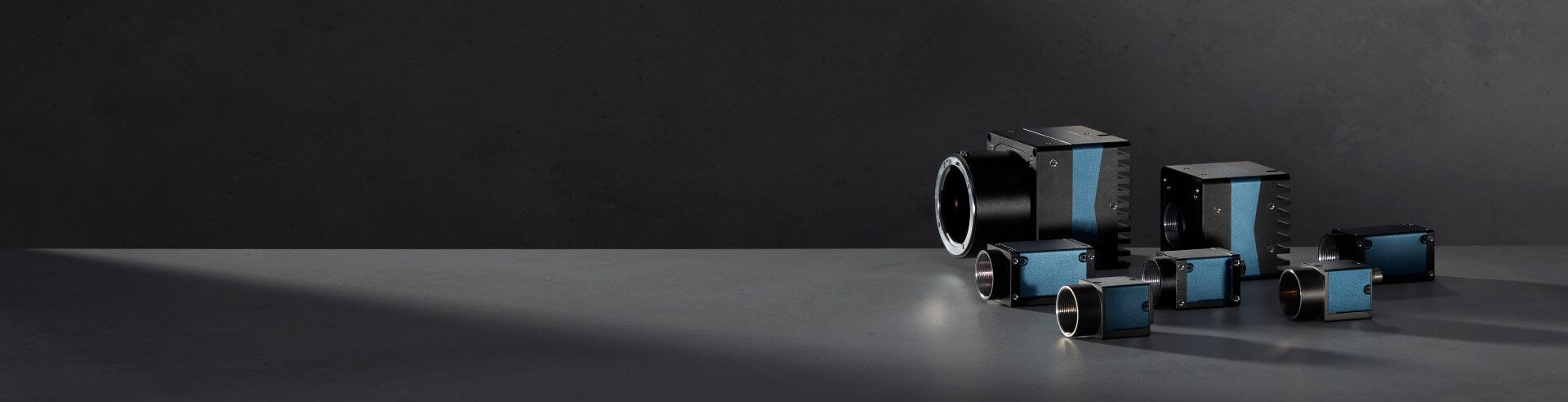
Industrial Camera
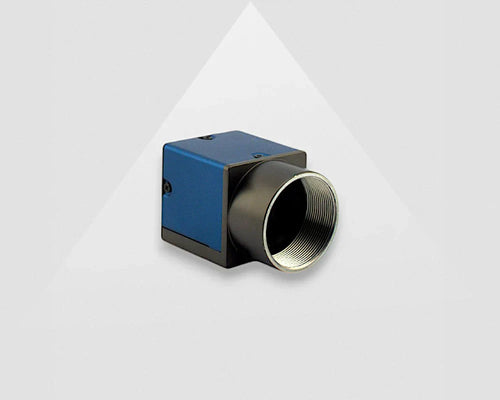
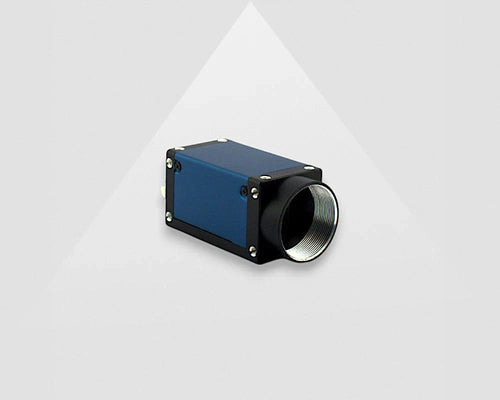
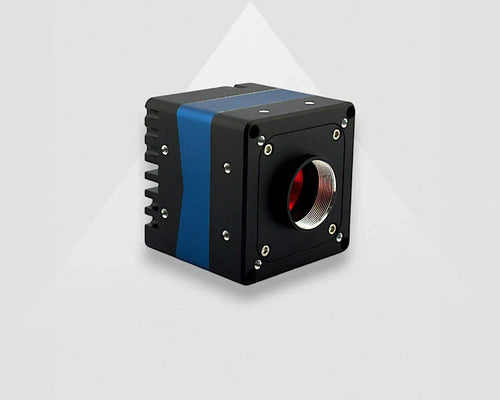
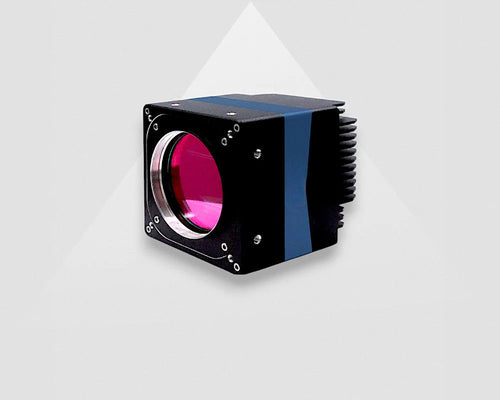

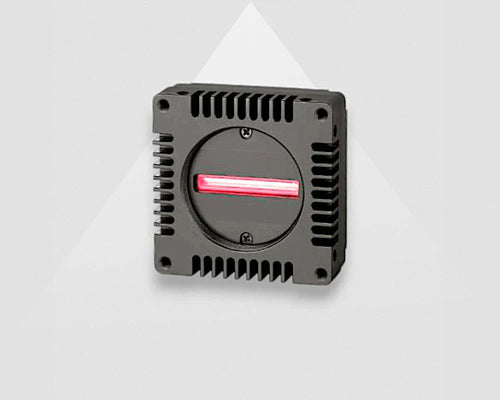


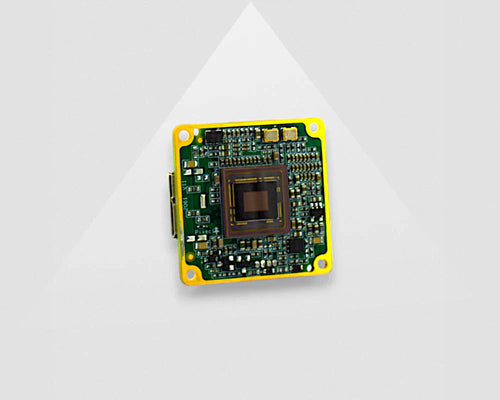
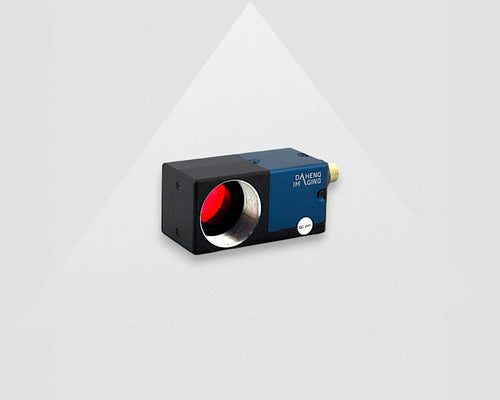
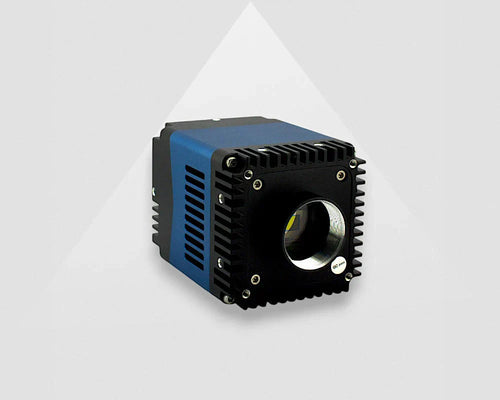
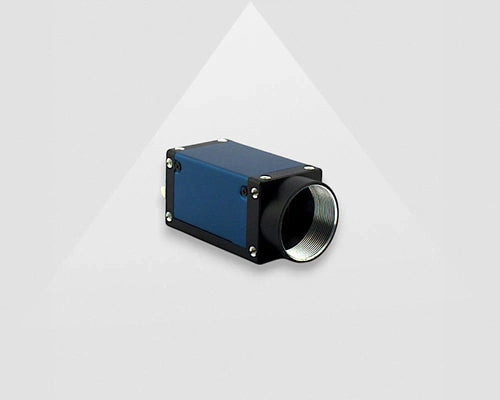
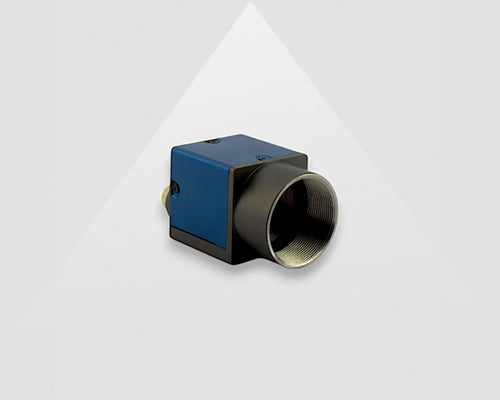
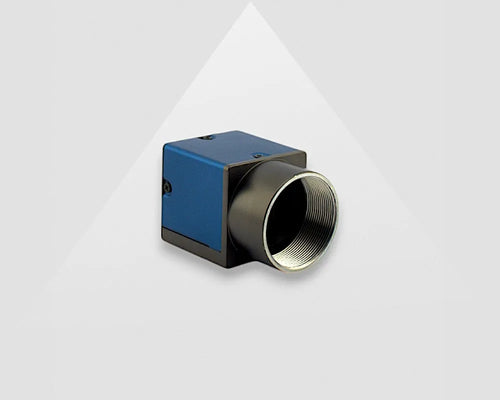


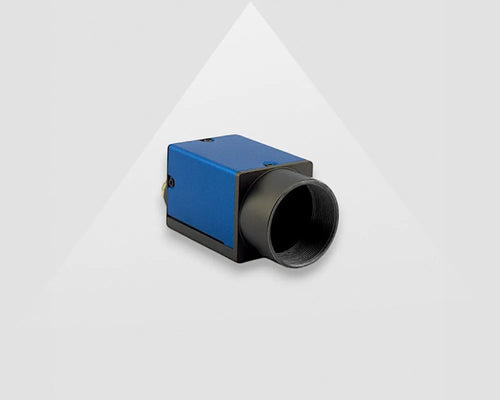
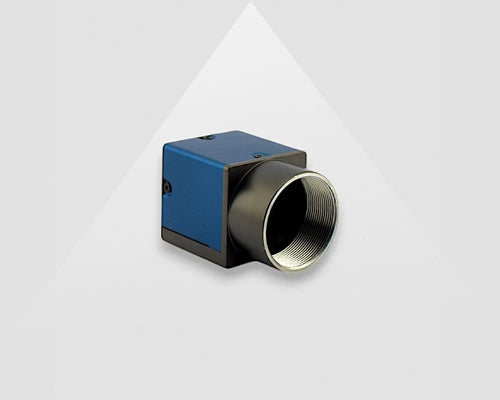

What Are Industrial Cameras?
Industrial cameras are purpose-built imaging devices designed for machine vision, industrial automation and image-processing tasks where repeatability matters more than consumer-style image enhancement. Compare with consumer or security cameras, industrial cameras are usually selected because they offer:
- Stable, repeatable image capture for inspection and measurement
- Triggering and I/O control for synchronised image acquisition
- Low-latency transfer of image data to the host system
- RAW image output and parameter control for machine vision software
- Better integration with optics, lighting and external hardware
- Longer, more predictable product availability for OEM and automation projects
In practice, the camera is only one part of the imaging chain. Lens selection, lighting geometry, working distance, field of view, software compatibility and mounting constraints all affect final image quality. That is why many projects evaluate the camera together with machine vision lenses and machine vision lighting, not as isolated components.
Which Industrial Cameras Should You Look At First
Industrial cameras should be shortlisted first by cable length, throughput, motion, mechanical space, environmental conditions and the kind of image detail you need to reveal.
Use this quick selector before you go deeper into specifications:
- Need longer cable runs or distributed machine layouts? Start with GigE & 2.5GigE cameras or 5GigE & 10GigE cameras.
- Need high bandwidth on a compact machine or benchtop system? Start with USB3 cameras and consider CoaXPress cameras for more performance-driven systems.
- Need to inspect moving parts without distortion? Prioritize industrial cameras with a global shutter and reliable triggering.
- Need to image continuous materials such as film, paper, foil or web products? Start with line scan cameras.
- Need to fit imaging into a very small mechanical envelope? Review board-level cameras or right-angle cameras.
- Need washdown, dust protection or stable network video rather than classic raw machine vision streaming? Review industrial IP cameras, protective accessories and enclosure options much earlier in the selection process.
- Need more than standard visible-light contrast? Consider 3D cameras, SWIR cameras, UV cameras or NIR cameras much earlier in the selection process.
How to Choose Industrial Cameras for Your Application
Choosing industrial cameras for your application starts with the inspection task, because the right resolution, frame rate, interface, shutter and sensor format depend on what you need to inspect and how the machine is built.
- What detail needs to be detected? The detail that needs to be detected determines the required resolution, pixel density and optical magnification. Fine surface defects, OCR, Data Matrix codes and precision measurement usually need more pixels on target than simple presence-or-absence checks. Before comparing camera families, define the smallest feature that must be detected reliably and the field of view that must be covered in the same image.
- How fast is the object or process moving? The speed of the object or process determines frame rate, exposure time, lighting demand and whether a global shutter is needed.
Faster lines usually need shorter exposure times, more light and tighter synchronisation. If motion blur or geometric distortion would create false rejects, a global shutter camera and strobed lighting should move up the priority list. - How far is the camera from the PC or controller? The distance from the camera to the PC or controller determines the best interface, cabling approach and system architecture.
USB3 Vision is often attractive for high data rates when the camera can stay close to the host. GigE Vision and higher-bandwidth Ethernet-based interfaces are stronger when you need longer cable runs, more flexible routing or easier scaling across multiple cameras. - Is colour information actually important? Colour information is only important when colour itself is part of the inspection decision.
Monochrome cameras are often the better choice when contrast, sensitivity and measurement stability matter most. Colour cameras are the better fit when product appearance, print verification, label checking, food grading or colour sorting are part of the job. - Do you need a full frame or a continuous scan? A full frame or a continuous scan should be chosen based on how the product moves through the imaging station.
Most automation projects use area scan cameras because they capture a full image in one exposure and eare easier to intergrate. Continuous materials such as film, paper, battery web, textiles and print often benefit from line scan imaging instead.
Industrial Camera Families and When to Use Them
Industrial camera families help you shortlist faster because each family is built around a different system layout, inspection method or integration constraint.
When Should you Choose Smart, Embedded or IP-Rated Industrial Cameras?
Smart, embedded or IP-rated industrial cameras should be chosen when system architecture, environmental protection or local processing matter as much as raw image acquisition.
Smart industrial cameras and edge-based vision
Smart industrial cameras and edge-based vision are chosen when you want more processing close to the machine and less reliance on a full external PC.
This route is most useful when the inspection logic is relatively focused, machine footprint matters or the project benefits from reduced cabling and faster local decisions. In some cases, a classic smart camera is the best fit. In other cases, the better answer is a standard industrial camera combined with computer vision software or OpenCV image processing tools on an edge computer.
Embedded and board-level industrial cameras
Embedded and board-level industrial cameras are chosen when size, power budget or OEM integration matters more than a standard enclosed machine vision camera.
This is often the better path for robotics, laboratory devices, mobile platforms and product-development projects where the camera has to become part of the final product. Use board-level cameras when raw machine vision capture still matters, and review industrial streaming cameras when MIPI CSI-2, UVC or compressed video workflows better suit the processor and software stack.
IP-rated industrial cameras and harsh-environment deployment
IP-rated industrial cameras and harsh-environment deployment should be considered when washdown, dust, moisture, vibration or outdoor exposure can undermine a standard camera installation.
In these cases, it is important to decide whether the project really needs a protected machine vision camera, an enclosure around a standard camera, or an industrial IP camera for network-based imaging and remote access. Check protective housings, cable retention, sealed connectors, thermal behaviour and maintenance access early, because environmental fit can remove otherwise good camera options from the shortlist.
Key Specifications That Shortlist Industrial Cameras
Key specifications shortlist industrial cameras because they reveal whether a camera will deliver enough detail, speed, synchronisation and installation flexibility for the real task.
| Standard or compatibility area | Why it matters | What to confirm early |
|---|---|---|
|
GigE Vision |
Supports machine vision communication over Ethernet-based systems |
NIC performance, PoE needs, switch architecture, multi-camera layout |
|
USB3 Vision |
Improves consistency for machine vision over USB3 |
Host controller quality, cable length, power budget, driver behaviour |
|
GenICam |
Creates a more consistent way to access camera features across compliant devices |
Whether your software depends on standard feature naming or vendor-specific APIs |
|
CoaXPress ecosystem |
Supports deterministic high-bandwidth image transport |
Lane count, frame grabber, PCIe slot planning, trigger routing |
|
Camera Link Compatibility |
Matters in retrofit and replacement projects |
Existing cables, frame grabber, spare strategy and migration plan |
|
Lens mount and sensor format |
Affect optics compatibility as much as the electronic interface |
Sensor coverage, back focus, working distance and mount constraints |
Industrial Camera Technologies: Sensor, Shutter and Spectral Options
Industrial camera technologies affect image quality, motion handling and how well the imaging system can separate the feature of interest from the background.
Monochrome vs colour industrial cameras
Monochrome industrial cameras are usually preferred when you need the highest contrast, better sensitivity and more stable measurement performance.
Colour industrial cameras are appropriate when product colour, print verification, label inspection, food grading or appearance-based sorting is part of the pass/fail decision.
Global shutter vs rolling shutter industrial cameras
Global shutter industrial cameras expose all pixels at the same time, which makes them the safer choice for moving objects, robotics and triggered imaging.
Rolling shutter industrial cameras can still work well for static or slower scenes, but motion can introduce geometric distortion if the exposure strategy is not controlled carefully.
Area scan vs line scan industrial cameras
Area scan industrial cameras capture a full image in one exposure and are the default choice for many machine vision systems.
Line scan industrial cameras capture one line at a time and are often better for continuous materials, wide surfaces and applications where motion can build the final image with consistent synchronisation.
SWIR, UV, 3D and other specialist industrial cameras
SWIR, UV, 3D and other specialist industrial cameras are selected when standard visible-light imaging does not reveal enough contrast or enough information.
These options can help with moisture variation, subsurface detail, fluorescence, reflective surfaces, transparent materials, height data and geometry-driven tasks that are difficult to solve with a standard 2D visible camera.
Industrial Cameras for Automation and Inspection Use Cases
Industrial cameras for automation and inspection use cases are best selected by matching the inspection problem to the right combination of sensor, interface, optics and lighting.
OCR, barcode reading and traceability
OCR, barcode reading and traceability applications usually need sharp optics, stable contrast and enough resolution at the target size. Recommended camera traits:
- Global shutter if codes move quickly on a conveyor
- Monochrome imaging when contrast matters more than colour
- Stable triggering and reliable lighting control for repeatable reads
High-speed conveyor inspection
High-speed conveyor inspection usually needs short exposure times, strong illumination and camera bandwidth that can keep up with production speed. Recommended camera traits:
- Global shutter to avoid motion artifacts
- Sufficient frame rate for the line speed
- USB3, 5GigE, 10GigE or CoaXPress depending on bandwidth and cable distance
Continuous web inspection and wide materials
Continuous web inspection and wide materials often benefit from line scan imaging because a single line can build a very long image without sacrificing detail across the width. Recommended camera traits:
- Line scan camera with accurate motion synchronisation
- Uniform lighting designed for continuous materials
- Encoder-based timing and a stable mechanical transport path
Measurement and metrology
Measurement and metrology applications need geometric stability, repeatable optics and a camera-lens combination that supports the required pixel accuracy.
Recommended camera traits:
- Global shutter for motion-sensitive measurements
- Low-distortion optics matched to the sensor size
- Stable working distance, lighting geometry and calibration strategy
Robotics, pick-and-place and 3D guidance
Robotics, pick-and-place and 3D guidance applications often require low-latency triggering, stable geometric performance and predictable image timing. Recommended camera traits:
- Global shutter for fast motion
- Deterministic triggering and I/O integration
- 3D imaging when height or pose estimation matters more than a flat 2D image
Reflective, transparent and low-contrast materials
Reflective, transparent and low-contrast materials usually need more than a standard visible-light camera because the challenge is often contrast, not resolution. Recommended camera traits:
- Specialist lighting geometry before chasing more megapixels
- Polarisation, UV or SWIR where the material response supports it
- Careful lens and filter selection to suppress glare or isolate the target feature
Laboratory, medical and space-constrained systems
Laboratory, medical and space-constrained systems often need compact housings, low mass or custom mechanical layouts. Recommended camera traits:
- Board-level or right-angle designs where standard housings do not fit
- Stable software integration for long development cycles
- Controlled thermal and mechanical behaviour for repeatable capture
Why Buy Industrial Cameras from VA Imaging?
Buying industrial cameras from VA Imaging gives you a practical way to move from broad research to a realistic shortlist without losing sight of integration. You can browse by interface, camera family, shutter technology and specialist imaging type, then connect that shortlist to lenses, lighting, software, accessories and support. That matters because most machine vision delays come from system fit, not from the camera headline alone.
If your requirements go beyond a standard product, VA Imaging also offers customized camera solutions for projects that need modified mechanics, connectors, firmware or a more application-specific hardware combination. If you already know the direction you need, you can jump straight to USB3 cameras, GigE & 2.5GigE cameras, area scan cameras or line scan cameras. If you are still comparing options, contact VA Imaging for practical guidance on the right path.
Get Help Choosing Industrial Cameras from VA Imaging
VA Imaging helps teams choose industrial cameras by matching interface, optics, lighting, software and integration needs to the application. Need help narrowing down the right industrial cameras for your machine vision project? Contact VA Imaging for practical selection guidance on cameras, lenses, lighting, software, accessories and customized imaging solutions.
Frequently Asked Questions About Industrial Cameras
Reviews industrial cameras
-
10Absolutely thrilled
I am absolutely thrilled with the MER2-160-227U3M camera I purchased from VA-Imaging. The camera exceeds my expectations in every way. The image quality is sharp and clear, even with fast movements... I am absolutely thrilled with the MER2-160-227U3M camera I purchased from VA-Imaging. The camera exceeds my expectations in every way. The image quality is sharp and clear, even with fast movements. Installation was straightforward. VA-Imaging's customer service was also outstanding. They were very helpful in answering my questions and delivered the camera quickly and securely.
-
8Cameras are a great value for money
The cameras are a great value for money and the lenses also. The software is outdated and needs refreshing. It took me considerable amount of time to discover how to access the camera features. The cameras are a great value for money and the lenses also. The software is outdated and needs refreshing. It took me considerable amount of time to discover how to access the camera features.
-
10Easy to deal with
Its a pleasure to contact with the sales department. They are very polite and always ready to help. Our orders are always delivered on time and the communication is easy and simple. High quality pr... Its a pleasure to contact with the sales department. They are very polite and always ready to help. Our orders are always delivered on time and the communication is easy and simple. High quality products.
-
10embedded camera
We initially explored several embedded vision camera and USB3 camera options for our application. Our main priorities were compact dimensions and keeping the required software development to a mini... We initially explored several embedded vision camera and USB3 camera options for our application. Our main priorities were compact dimensions and keeping the required software development to a minimum. We selected a VEN-161 boardlevel camera. It was easy to integrate and USB3 Vision interface allowed our software team to get started quickly. The sales guy was very helpful with selecting the hardware for us. We are happy that we selected the USB3 board-level camera instead of a Mipi embedded vision camera as we didn't require now the additional driver development.
-
10Excellent
It was easy and quick process from ordering to receiving. One personal message from the team is making it even better. Thanks It was easy and quick process from ordering to receiving. One personal message from the team is making it even better. Thanks
-
10Excellent quality material and attentive and reliable supplier
In the commercial phase we had maximum support and delivery times were respected. The material is quite good with low and competitive costs. In the commercial phase we had maximum support and delivery times were respected. The material is quite good with low and competitive costs.
-
10Fast cable delivery
I had ordered a camera but forgotten to include the required cable. the cable was ordered and delivered very fast. I had ordered a camera but forgotten to include the required cable. the cable was ordered and delivered very fast.
-
8Fast delivery
Fast delivery even without paying the speed premium Fast delivery even without paying the speed premium
-
9Fast Delivery and good quality!
A very good company, I will continue to cooperate next time! A very good company, I will continue to cooperate next time!
-
10Fast service
Extremely fast service. I got the camera next day. Highly recommend the seller! Thank you! Extremely fast service. I got the camera next day. Highly recommend the seller! Thank you!
-
8.5Good Experience
Top, good experience. Very attentive and quick to respond. Product arrived in good condition. Top, good experience. Very attentive and quick to respond. Product arrived in good condition.
-
10Good products and services
Lead time are a bit long but they VA imaging is a reliable provider that simply does what it says. Each time we needed to talk to someone, we had a proper client service with real listening and the... Lead time are a bit long but they VA imaging is a reliable provider that simply does what it says. Each time we needed to talk to someone, we had a proper client service with real listening and the will to find solutions.
-
8Good quality and fast delivery
So far, all components meet expectation, it would be great, though, if 3d models for all components were available. So far, all components meet expectation, it would be great, though, if 3d models for all components were available.
-
10Great
These people know their subject. Thanks to their help, I was able to successfully complete my machine vision project. They are competent in optics and that makes the difference. Delivery and post-d... These people know their subject. Thanks to their help, I was able to successfully complete my machine vision project. They are competent in optics and that makes the difference. Delivery and post-delivery service at the highest level.
-
9Great customer service, fast delivery.
Unfortunately they could not help me finding a suitable camera+lens combination for a specific application, but they even assigned a physicist to my query. Unfortunately they could not help me finding a suitable camera+lens combination for a specific application, but they even assigned a physicist to my query.
-
10Great customer support, products and prices
I contacted GeT Cameras to help out with selecting the best camera and lens solution for me. They provided great support. I ordered with express and received the products 2 days later :) I contacted GeT Cameras to help out with selecting the best camera and lens solution for me. They provided great support. I ordered with express and received the products 2 days later :)
-
9Great prices, great service, everything great
Bought quite a few cameras from these guys, prices are great, service is great, delivery times of the hardware is also very nice. Bought quite a few cameras from these guys, prices are great, service is great, delivery times of the hardware is also very nice.
-
10Great products. Excellent support.
GeT Cameras in Germany made some photo's of our products to show the performance of their cameras and they looked perfect. Recently we purchased a camera with lens, and LED lights. We are not exper... GeT Cameras in Germany made some photo's of our products to show the performance of their cameras and they looked perfect. Recently we purchased a camera with lens, and LED lights. We are not experienced with machine vision but the installation worked out fine. After installation on our laboratory we were surprised again of the high quality of the photos and the versatility of this system. (options in Galaxy viewer and integration in Python. Recently we had an issue with the software and the customer support was able to give us the relevant information to fix it within one day. The next time we need a camera we will not be looking to other suppliers but contact GeT Cameras immediately.
-
10Great service
I needed a replacement part for a camera - not only was it delivered almost two weeks earlier than expected, but it also arrived well packaged. I needed a replacement part for a camera - not only was it delivered almost two weeks earlier than expected, but it also arrived well packaged.
-
10Great support and inhouse knowledge of the cameras
First I was a little bit sceptic about buying online industrial cameras. It’s a critical part for our machine. For a new product development there was a lot of price pressure. We needed a cheap cam... First I was a little bit sceptic about buying online industrial cameras. It’s a critical part for our machine. For a new product development there was a lot of price pressure. We needed a cheap camera. I called them and Caspar was providing great support. He even advised a cheaper camera than I had in mind. I was just surprised by the inhouse knowledge of get cameras about machine vision. Never expected this from a webshop. The image an built quality of the camera is also great. The camera feels and operates the same as our Basler cameras.
-
10Great support by email
I ordered a 20MP USB3 camera including a lens 2 months ago for a datamatrix code reading application. In the beginning I was sceptic because of the low prices, but support by email was great. They ... I ordered a 20MP USB3 camera including a lens 2 months ago for a datamatrix code reading application. In the beginning I was sceptic because of the low prices, but support by email was great. They advise a lens and provided additional technical information. Unfortunately they don't offer a loan service, but I decided to try it. I had the cameras in house within 2 weeks and connection was easy. The SDK looks like the SDK from Basler so I felt directly comfortable with it. The camera and lens was a perfect match and now I'm able to read small DMC codes on large products with just a single camera.
-
10Great support while selecting a lens
We have bought a 20MP camera and lens with extension tubes to use it as a digital microscope in our lab. The support with selecting a lens was great. Connecting the USB3 camera was easy. We receive... We have bought a 20MP camera and lens with extension tubes to use it as a digital microscope in our lab. The support with selecting a lens was great. Connecting the USB3 camera was easy. We received everything on time.
-
10High quality
High quality components and service! My order was handled quickly and arrived ahead of schedule. Would recommend. High quality components and service! My order was handled quickly and arrived ahead of schedule. Would recommend.
-
10I like the quality and price of the camera
I bought a camera and lens. It was delivered fast. Connecting was easy using their quickstep article. The image quality is really great. I bought a camera and lens. It was delivered fast. Connecting was easy using their quickstep article. The image quality is really great.
-
10It is important to have a skilled and efficient team of workers to get the goods efficiently.
Maintained a good relationship and very good communication from start to finish to purchase the item. Maintained a good relationship and very good communication from start to finish to purchase the item.
-
10Just great
Needed a customized lens with fixed iris and I just needed 10 pieces. They where able to do it for just a few euro's extra per lens. Great service Needed a customized lens with fixed iris and I just needed 10 pieces. They where able to do it for just a few euro's extra per lens. Great service
-
9Outstanding products and customer service
The customer service staff was friendly, easy to approach and helped us select the appropriate products which fit our use case perfectly. The customer service staff was friendly, easy to approach and helped us select the appropriate products which fit our use case perfectly.
-
10Outstanding products and customer service
Get Cameras were extremely kind to sponsor us with some amazing equipment for our RoboCup student team, Delft Mercurians. We had no issues with the cameras, they perform as advertised and enabled u... Get Cameras were extremely kind to sponsor us with some amazing equipment for our RoboCup student team, Delft Mercurians. We had no issues with the cameras, they perform as advertised and enabled us to continue with the project and the company was extremely supportive of us overall. The customer service staff was friendly, easy to approach and helped us select the appropriate products which fit our use case perfectly.
-
8Perfect customer interaction
Good site and perfect customer interaction. Good site and perfect customer interaction.
-
10Products delivered sooner than promised
Ordered products were delivered sooner than promised, all ordered items were included in the package and we had no problems to make them work (cameras work with the attached software and with Matlab). Ordered products were delivered sooner than promised, all ordered items were included in the package and we had no problems to make them work (cameras work with the attached software and with Matlab).
-
10Professional support, fast delivery and good product.
I liked that your team helped me chose the needed equipment by my description. The items that i have ordered are exactly what i have looked for. I liked that your team helped me chose the needed equipment by my description. The items that i have ordered are exactly what i have looked for.
-
10Prompt responses to many questions
Prompt responses to our many questions. A good selection of cameras despite shortages elsewhere in the industry and we have been able to specify some of these cameras to keep projects moving forwar... Prompt responses to our many questions. A good selection of cameras despite shortages elsewhere in the industry and we have been able to specify some of these cameras to keep projects moving forward. We continue to buy regularly.
-
10Prompt shipment
Reachable by phone and smooth cooperation. Invoice provided without the need for extra requesting for it. Reachable by phone and smooth cooperation. Invoice provided without the need for extra requesting for it.
-
10Quick responses and good selection of cameras
Prompt responses to our many questions. A good selection of cameras despite shortages elsewhere in the industry and we have been able to specify some of these cameras to keep projects moving forwar... Prompt responses to our many questions. A good selection of cameras despite shortages elsewhere in the industry and we have been able to specify some of these cameras to keep projects moving forward. We continue to buy from Get-Cameras regularly.
-
10Quick shipping and excellent customer service
The customer service is quick, friendly and helpful, shipping takes place fast and the quality of cameras and accessoires is excellent. Very useful is also the provided software, including coding e... The customer service is quick, friendly and helpful, shipping takes place fast and the quality of cameras and accessoires is excellent. Very useful is also the provided software, including coding examples to implement the cameras in our systems.
-
10Quick shipping and excellent customer service
The customer service is quick, friendly and helpful, shipping takes place fast and the quality of cameras and accessoires is excellent. Very useful is also the provided software, including coding e... The customer service is quick, friendly and helpful, shipping takes place fast and the quality of cameras and accessoires is excellent. Very useful is also the provided software, including coding examples to implement the cameras in our systems.
-
10Really nice products
i called them and they proposed the camera, lens and light setup. I received everything 2 days later. Tested it and it works. I didn't expect such a good image quality for the total set price. They... i called them and they proposed the camera, lens and light setup. I received everything 2 days later. Tested it and it works. I didn't expect such a good image quality for the total set price. They recommended the cheapest camera they had, but it's perfect for detecting the defects on my products.
-
9Suitable product for us
We already have several of your cameras. These are for stock only. Since we are taking them into stock, that means we are happy with them. Only lead time is little bit longer. We already have several of your cameras. These are for stock only. Since we are taking them into stock, that means we are happy with them. Only lead time is little bit longer.
-
10The German-speaking customer service team is very attentive to our needs.
We greatly value our collaboration with VA Imaging. The German-speaking account managers always address our individual requirements and consistently find suitable solutions, even for last-minute ch... We greatly value our collaboration with VA Imaging. The German-speaking account managers always address our individual requirements and consistently find suitable solutions, even for last-minute changes. Thanks to their support and flexibility, we have always been able to implement our projects quickly and smoothly. Thank you for the excellent collaboration!
-
8Very good service
We are very happy with the quality of goods and services. We are very happy with the quality of goods and services.
-
10Very good value for money
The camera arrived on schedule and gives excellent images. Very good value for money. The SDK makes it very easy to acquire images into a program of my own written using C++Builder (about 2 hours p... The camera arrived on schedule and gives excellent images. Very good value for money. The SDK makes it very easy to acquire images into a program of my own written using C++Builder (about 2 hours programming).
-
10Very happy with the support
I was using cameras from a German competitor, but I was not happy with the support. They contacted me and we where able to select a camera with the same sensor. I received the camera within 2 days.... I was using cameras from a German competitor, but I was not happy with the support. They contacted me and we where able to select a camera with the same sensor. I received the camera within 2 days. It took me half a day to implement their SDK into my software so it was relative easy.
-
10Very helpful customer service
We needed a vision camera for our project very urgently. They where able to deliver it in a few days time. They responded quick to my emails also when I needed support. They send me an article how ... We needed a vision camera for our project very urgently. They where able to deliver it in a few days time. They responded quick to my emails also when I needed support. They send me an article how to quickly install the camera and set the most important parameters. it was very helpfull and within half an hour we had a good live view image. We have also ordered the lens they advised. It provides a nice and sharp image.
-
10Very pleasant contact, quick response
My questions were answered very quickly. The right camera was determined quickly and the order placed immediately. Camera delivered within two days. I hope to do business again in the future! My questions were answered very quickly. The right camera was determined quickly and the order placed immediately. Camera delivered within two days. I hope to do business again in the future!
-
10Very smooth transaction
Great seller, good comunication, ship very fast. Great seller, good comunication, ship very fast.
Vision & Automation Resources
-
FAQ pageFAQ
Most common questions are already answered on our FAQ page. Questions about delivery times, warranty, loan, returns, longevity, manuals etc.
-
DiscoverImaging Software
Image processing software captures the images from an industrial camera and performs complex image processing tasks like segmentation, detection, code and text reading.
-
DiscoverKnowledge Center
We share our machine vision knowledge in our knowledge center. Find tutorials how to connect cameras, install software & program I/O.
-
DiscoverMachine Vision Applications
Check how our customers use our industrial cameras, lenses and lighting in their application
-
Talk to usMachine Vision Experts
Ask our machine vision experts! We answer rapidly and think along with your imaging project.
-
DiscoverDownloads
The download page provides access to product documentation, software, drivers, manuals and technical resources for industrial cameras and machine vision components.