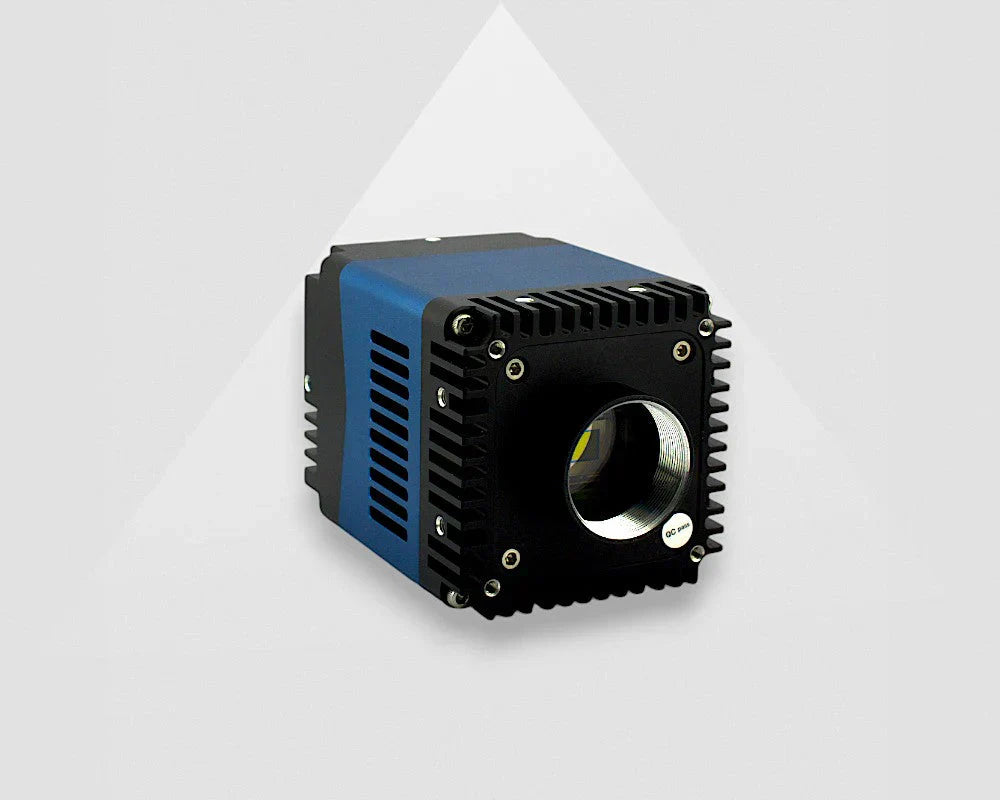


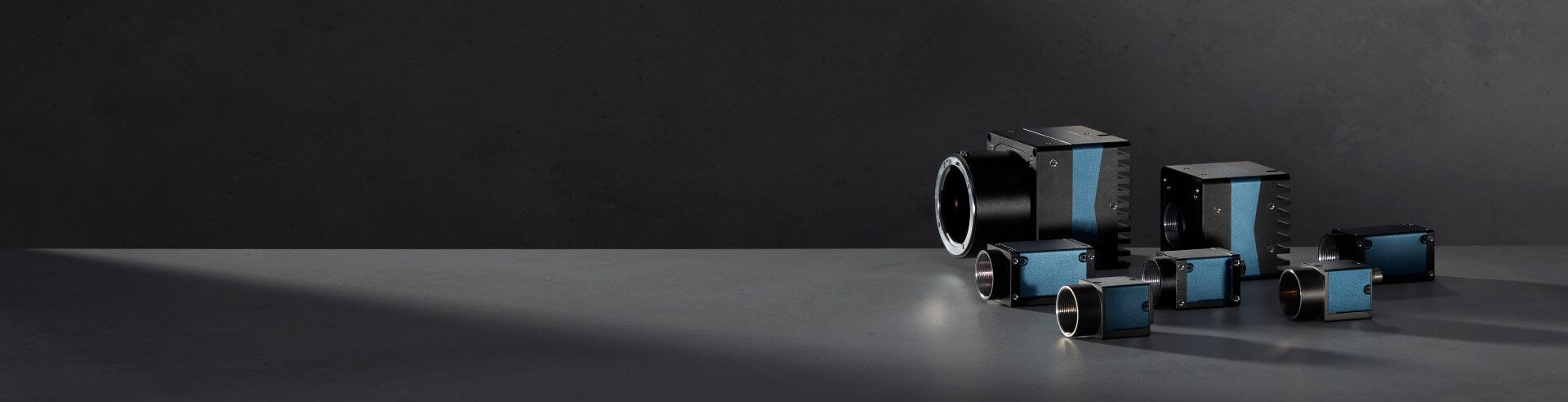
Industrial Cameras



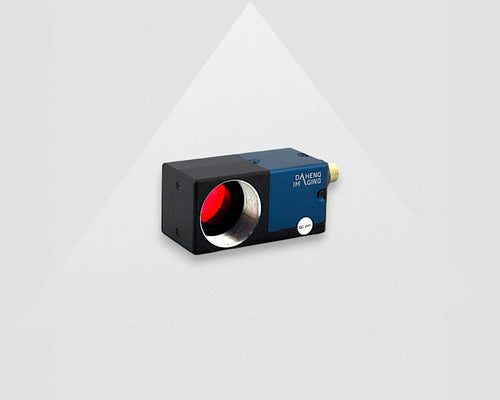
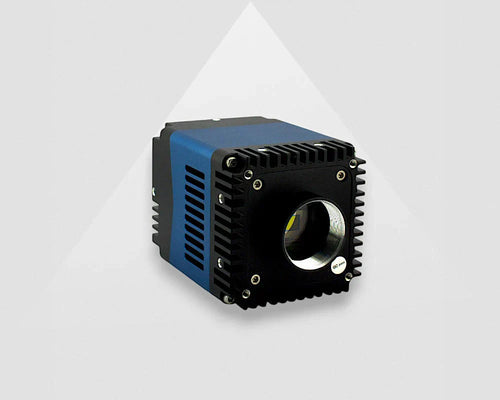
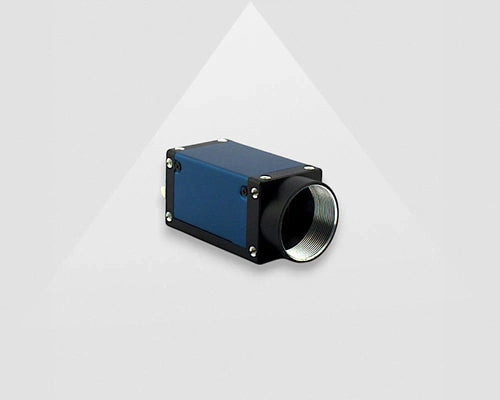
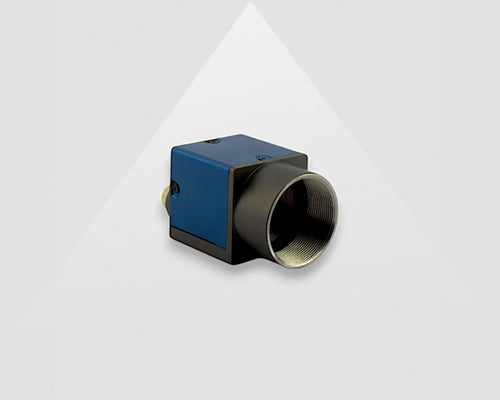


Which Industrial Cameras Should You Look at First?
Industrial cameras should be shortlisted first by cable length, throughput, motion, mechanical space and the kind of image detail you need to reveal.
Use this quick selector before you go deeper into specifications:
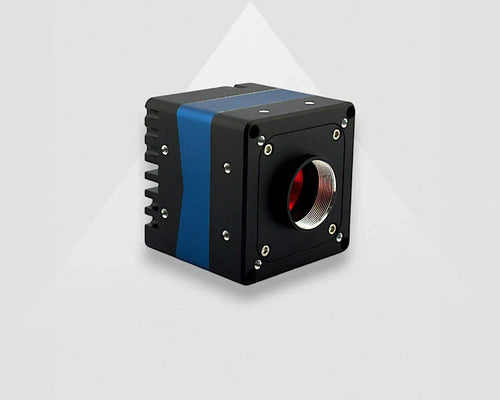
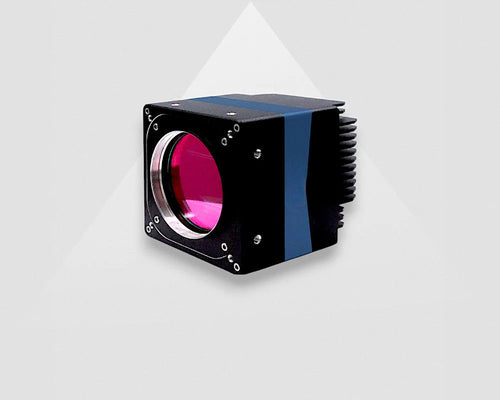
- Need longer cable runs or distributed machine layouts? Start with GigE & 2.5GigE cameras or 5GigE & 10GigE cameras.
- Need high bandwidth on a compact machine or benchtop system? Start with USB3 cameras and consider CoaXPress cameras for more performance-driven systems.
- Need to inspect moving parts without distortion? Prioritise industrial cameras with a global shutter and reliable triggering.
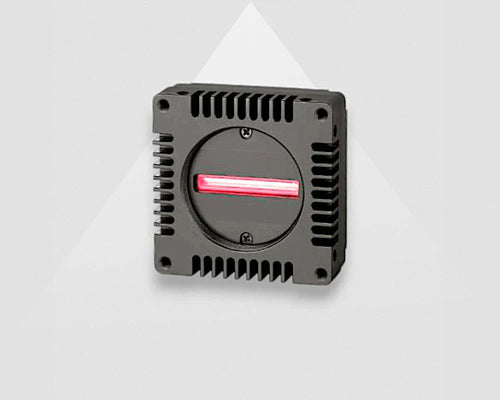
- Need to image continuous materials such as film, paper, foil or web products? Start with line scan cameras.
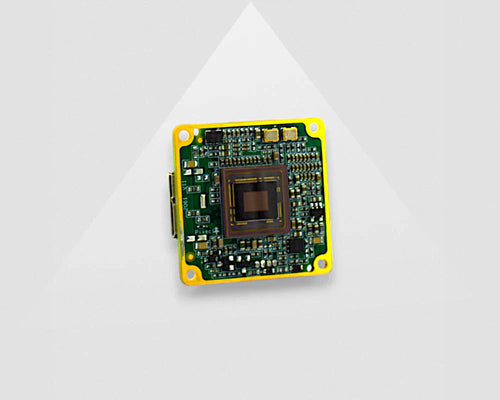
- Need to fit imaging into a very small mechanical envelope? Review board-level cameras or right-angle cameras.
- Need more than standard visible-light contrast? Consider 3D cameras, SWIR cameras or UV cameras much earlier in the selection process.
This selector helps move the page beyond a general overview and into practical shortlisting, which is often what engineers, integrators and technical buyers need first.
What Are Industrial Cameras?
Industrial cameras are purpose-built imaging devices designed for machine vision, industrial automation and image-processing tasks where repeatability matters more than consumer-style image enhancement. Compared with consumer or security cameras, industrial cameras are usually selected because they offer:
- Stable, repeatable image capture for inspection and measurement
- Triggering and I/O control for synchronized image acquisition
- Low-latency transfer or image data to the host system
- RAW image output and parameter control for machine vision software
- Better integration with optics, lighting and external hardware
- Longer, more predictable product availability for OEM and automation projects
In practice, the camera is only one part of the imaging chain. Lens selection, lighting geometry, working distance, field of view, software compatibility and mounting constraints all affect final image quality. That is why many projects evaluate the camera together with machine vision lenses and machine vision lighting not as isolated components.
How to Choose Industrial Cameras for Your Application
Choosing industrial cameras for your application starts with the inspection task, because the right resolution, frame rate, interface, shutter and sensor format depend on what you need to inspect and how the machine is built. Start with these practical questions:
- What detail needs to be detected? The detail that needs to be detected determines the required resolution, pixel density and optical magnification. Fine surface defects, OCR, Data Matrix codes and precision measurement usually need more pixels on target than simple presence-or-absence checks. Before comparing camera families, define the smallest feature that must be detected reliably and the field of view that must be covered in the same image.
- How fast is the object or process moving? The speed of the object or process determines frame rate, exposure time, lighting demand and whether a global shutter is needed. Faster lines usually need shorter exposure times, more light and tighter synchronisation. If motion blur or geometric distortion would create false rejects, a global shutter camera and strobed lighting move up the priority list.
- How far is the camera from the PC or controller? The distance from the camera to the PC or controller determines the best interface, cabling approach and system architecture. USB3 Vision is often attractive for high data rates when the camera can stay close to the host. GigE Vision and higher bandwidth Ethernet-based interfaces are stronger when you need longer cable runs, more flexible routing or easier scaling across multiple cameras.
- Is colour information actually important? Colour information is only important when colour itself is part of the inspection decision. Monochrome cameras are often the better choice when contrast, sensitivity and measurement stability matter most. Colour cameras are better fit when products appearance, print verification, label checking, food grading or colour sorting are part of the job.
- Do you need a full frame or a continuous scan? A full frame or a continuous scan should be chosen based on how the product moves through the imaging station. Most automation projects use area scan cameras because they capture a full image in one exposure and are easier to integrate. Continuous materials such as film, paper, battery web, textiles and print often benefit from line scan imaging instead.
Industrial Camera Families and When to Use Them
Industrial camera families help you shortlist faster because each family is built around a different system layout, inspection method or integration constraint.
Area scan industrial cameras
Area scan industrial cameras are the default choice for most 2D machine vision systems because they capture a complete image in one exposure.
Use area scan cameras for inspection, measurement, robot guidance, barcode reading and general automation tasks where a full-frame image is the most practical format. If your application needs flexibility, easier setup and standard machine vision workflows, start with area scan cameras.
Line scan industrial cameras
Line scan industrial cameras are the better choice when the product moves continuously, and the final image needs to be built line by line.
Use line scan cameras for print, film, paper, textile, battery and other continuous web applications, as well as very wide objects that would otherwise need extremely large area sensors. If your process is motion-driven and synchronised to an encoder, line scan cameras deserve early consideration.
Board-level and right-angle industrial cameras
Board-level and right-angle industrial cameras are chosen when mechanical space is limited, or the camera must fit into an OEM product.
Use board-level cameras when compact size, lower mass or custom mechanical integration matters more than a standard enclosed housing. Use right-angle cameras when the optical path must turn inside a tight machine space.
Ethernet and frame-grabber industrial cameras
Ethernet and frame-grabber industrial cameras are the right families when cable length, throughput or multi-camera scaling drives the architecture.
Use GigE & 2.5GigE cameras when you need a practical balance of cable length, cost and deployment flexibility. Use 5GigE & 10GigE cameras when you want Ethernet-style cabling but need more bandwidth. Use CoaXPress cameras when throughput and timing matter most and the system can accommodate frame grabbers.
Specialist industrial cameras
Specialist industrial cameras should be shortlisted when standard visible-light imaging does not reveal enough information or when a standard housing cannot fit the machine.
Use 3D cameras when height, volume or depth information matters. Use SWIR cameras when shortwave infrared contrast reveals information
Key Specifications That Shortlist Industrial Cameras
Key specifications shortlist industrial cameras because they reveal whether a camera will deliver enough detail, speed, synchronisation and installation flexibility for the real task. Use this shortlist table when comparing industrial cameras:
| Specification group | Why it matters | What to confirm before you shortlist |
|---|---|---|
|
Resolution and pixel size |
Determines how much detail can be captured at the required field of view |
Smallest detectable feature, target size, working distance |
|
Sensor size and lens mount |
Affects field of view, lens coverage and optical flexibility |
Sensor format, mount type, whether the lens can cover the sensor |
|
Frame rate and exposure |
Determines whether the process can run at full speed without blur |
Line speed, cycle time, exposure budget, lighting headroom |
|
Shutter type |
Controls motion handling and measurement stability |
Global shutter for motion-critical tasks, rolling shutter for slower or static scenes |
|
Interface and cable length |
Shapes bandwidth, routing, host hardware and total system cost |
USB3, GigE, 5GigE, 10GigE or CoaXPress fit for the machine layout |
|
Trigger, GPIO and synchronisation |
Matters for deterministic capture and multi-device timing |
PLC integration, encoder timing, strobes, multi-camera coordination |
|
Colour vs monochrome |
Changes contrast, sensitivity and which inspection features are visible |
Whether colour is part of pass/fail or whether contrast matters more |
|
Spectral response |
Matters when visible light is not enough |
Need for SWIR, UV, NIR, polarisation or 3D data |
|
Housing, mechanics and thermal behaviour |
Affects fit, reliability and stability on the machine |
Space limits, cable exit, vibration, temperature, washdown or enclosure needs |
|
Software, SDK and lifecycle support |
Affects integration time and long-term maintainability |
Drivers, SDKs, manuals, downloads, operating system support, support path |
Industrial Camera Technologies: Sensor, Shutter and Spectral Options
Industrial camera technologies affect image quality, motion handling and how well the imaging system can separate the feature of interest from the background.
Monochrome vs colour industrial cameras
Monochrome industrial cameras are usually preferred when you need the highest contrast, better sensitivity and more stable measurement performance.
Colour industrial cameras are appropriate when product colour, print verification, label inspection, food grading or appearance-based sorting is part of the pass/fail decision.
Global shutter vs rolling shutter industrial cameras
Global shutter industrial cameras expose all pixels at the same time, which makes them the safer choice for moving objects, robotics and triggered imaging.
Rolling shutter industrial cameras can still work well for static or slower scenes, but motion can introduce geometric distortion if the exposure strategy is not controlled carefully.
Area scan vs line scan industrial cameras
Area scan industrial cameras capture a full image in one exposure and are the default choice for many machine vision systems.
Line scan industrial cameras capture one line at a time and are often better for continuous materials, wide surfaces and applications where motion can build the final image with consistent synchronisation.
SWIR, UV, 3D and other specialist industrial cameras
SWIR, UV, 3D and other specialist industrial cameras are selected when standard visible-light imaging does not reveal enough contrast or enough information.
These options can help with moisture variation, subsurface detail, fluorescence, reflective surfaces, transparent materials, height data and geometry-driven tasks that are difficult to solve with a standard 2D visible camera.
Industrial Cameras for Automation and Inspection Use Cases
Industrial cameras for automation and inspection use cases are best selected by matching the inspection problem to the right combination of sensor, interface, optics and lighting.
Industrial Camera Integration, Software and Support
Industrial camera integration, software and support reduce commissioning risk because a camera that looks right on paper can still create delays if the SDK, drivers, optics or host hardware are not aligned with the project. Before you finalise a shortlist, check these engineering resources:
SDK and integration path: Review the software development kit options when your project needs direct camera control, sample code or API-based integration
Manuals, datasheets and downloads: Use the customer downloads page when your team needs manuals, step files, quick-start material or supporting documents during evaluation.
Technical support: Use the support page when you need help aligning hardware, software and setup decisions before commissioning.
Common commercial and project questions: Check the FAQ page for delivery, warranty, longevity, manuals and related pre-purchase considerations.
Application guidance: Review machine vision applications when you need examples that connect inspection problems to camera, lens and lighting choices.
Related hardware: Include frame grabbers, machine vision lenses and machine vision lighting in the same discussion instead of treating the camera as a stand-alone purchase.
Why Buy Industrial Cameras from VA Imaging?
Buying industrial cameras from VA Imaging gives you a practical way to move from broad research to a realistic shortlist without losing sight of integration. You can browse by interface, camera family, shutter technology and specialist imaging type, then connect that shortlist to lenses, lighting, software, accessories and support. That matters because most machine vision delays come from system, fit not from the camera headline alone.
If your requirements go beyond a standard product, VA Imaging also offers customised camera solutions for projects that need modified mechanics, connectors, firmware or a more application-specific hardware combination. If you already know the direction you need, you can jump straight to USB3 cameras, GigE & 2.5GigE cameras, area scan cameras or line scan cameras. If you are still comparing options, contact VA Imaging and the team at the VA Imaging office in London can help you narrow down the right path.
Get Help Choosing Industrial Cameras from VA Imaging
VA Imaging helps teams choose industrial cameras by matching interface, optics, lighting, software and integration needs to the application. Need help narrowing down the right industrial cameras for your machine vision project? Contact VA Imaging for practical selection guidance from the VA Imaging office in London on cameras, lenses, lighting, software, accessories and customised imaging solutions.
Frequently Asked Questions About Industrial Cameras
Reviews industrial cameras
-
8Cameras are a great value for money
The cameras are a great value for money and the lenses also. The software is outdated and needs refreshing. It took me considerable amount of time to discover how to access the camera features. The cameras are a great value for money and the lenses also. The software is outdated and needs refreshing. It took me considerable amount of time to discover how to access the camera features.
-
10Excellent quality material and attentive and reliable supplier
In the commercial phase we had maximum support and delivery times were respected. The material is quite good with low and competitive costs. In the commercial phase we had maximum support and delivery times were respected. The material is quite good with low and competitive costs.
-
10Fast cable delivery
I had ordered a camera but forgotten to include the required cable. the cable was ordered and delivered very fast. I had ordered a camera but forgotten to include the required cable. the cable was ordered and delivered very fast.
-
8Fast delivery
Fast delivery even without paying the speed premium Fast delivery even without paying the speed premium
-
9Fast Delivery and good quality!
A very good company, I will continue to cooperate next time! A very good company, I will continue to cooperate next time!
-
10Fast service
Extremely fast service. I got the camera next day. Highly recommend the seller! Thank you! Extremely fast service. I got the camera next day. Highly recommend the seller! Thank you!
-
8.5Good Experience
Top, good experience. Very attentive and quick to respond. Product arrived in good condition. Top, good experience. Very attentive and quick to respond. Product arrived in good condition.
-
8Good quality and fast delivery
So far, all components meet expectation, it would be great, though, if 3d models for all components were available. So far, all components meet expectation, it would be great, though, if 3d models for all components were available.
-
10Great customer support, products and prices
I contacted GeT Cameras to help out with selecting the best camera and lens solution for me. They provided great support. I ordered with express and received the products 2 days later :) I contacted GeT Cameras to help out with selecting the best camera and lens solution for me. They provided great support. I ordered with express and received the products 2 days later :)
-
9Great prices, great service, everything great
Bought quite a few cameras from these guys, prices are great, service is great, delivery times of the hardware is also very nice. Bought quite a few cameras from these guys, prices are great, service is great, delivery times of the hardware is also very nice.
-
10Great products. Excellent support.
GeT Cameras in Germany made some photo's of our products to show the performance of their cameras and they looked perfect. Recently we purchased a camera with lens, and LED lights. We are not exper... GeT Cameras in Germany made some photo's of our products to show the performance of their cameras and they looked perfect. Recently we purchased a camera with lens, and LED lights. We are not experienced with machine vision but the installation worked out fine. After installation on our laboratory we were surprised again of the high quality of the photos and the versatility of this system. (options in Galaxy viewer and integration in Python. Recently we had an issue with the software and the customer support was able to give us the relevant information to fix it within one day. The next time we need a camera we will not be looking to other suppliers but contact GeT Cameras immediately.
-
10Great support and inhouse knowledge of the cameras
First I was a little bit sceptic about buying online industrial cameras. It’s a critical part for our machine. For a new product development there was a lot of price pressure. We needed a cheap cam... First I was a little bit sceptic about buying online industrial cameras. It’s a critical part for our machine. For a new product development there was a lot of price pressure. We needed a cheap camera. I called them and Caspar was providing great support. He even advised a cheaper camera than I had in mind. I was just surprised by the inhouse knowledge of get cameras about machine vision. Never expected this from a webshop. The image an built quality of the camera is also great. The camera feels and operates the same as our Basler cameras.
-
10Great support by email
I ordered a 20MP USB3 camera including a lens 2 months ago for a datamatrix code reading application. In the beginning I was sceptic because of the low prices, but support by email was great. They ... I ordered a 20MP USB3 camera including a lens 2 months ago for a datamatrix code reading application. In the beginning I was sceptic because of the low prices, but support by email was great. They advise a lens and provided additional technical information. Unfortunately they don't offer a loan service, but I decided to try it. I had the cameras in house within 2 weeks and connection was easy. The SDK looks like the SDK from Basler so I felt directly comfortable with it. The camera and lens was a perfect match and now I'm able to read small DMC codes on large products with just a single camera.
-
10Great support while selecting a lens
We have bought a 20MP camera and lens with extension tubes to use it as a digital microscope in our lab. The support with selecting a lens was great. Connecting the USB3 camera was easy. We receive... We have bought a 20MP camera and lens with extension tubes to use it as a digital microscope in our lab. The support with selecting a lens was great. Connecting the USB3 camera was easy. We received everything on time.
-
10High quality
High quality components and service! My order was handled quickly and arrived ahead of schedule. Would recommend. High quality components and service! My order was handled quickly and arrived ahead of schedule. Would recommend.
-
10It is important to have a skilled and efficient team of workers to get the goods efficiently.
Maintained a good relationship and very good communication from start to finish to purchase the item. Maintained a good relationship and very good communication from start to finish to purchase the item.
-
9Outstanding products and customer service
The customer service staff was friendly, easy to approach and helped us select the appropriate products which fit our use case perfectly. The customer service staff was friendly, easy to approach and helped us select the appropriate products which fit our use case perfectly.
-
10Outstanding products and customer service
Get Cameras were extremely kind to sponsor us with some amazing equipment for our RoboCup student team, Delft Mercurians. We had no issues with the cameras, they perform as advertised and enabled u... Get Cameras were extremely kind to sponsor us with some amazing equipment for our RoboCup student team, Delft Mercurians. We had no issues with the cameras, they perform as advertised and enabled us to continue with the project and the company was extremely supportive of us overall. The customer service staff was friendly, easy to approach and helped us select the appropriate products which fit our use case perfectly.
-
8Perfect customer interaction
Good site and perfect customer interaction. Good site and perfect customer interaction.
-
10Products delivered sooner than promised
Ordered products were delivered sooner than promised, all ordered items were included in the package and we had no problems to make them work (cameras work with the attached software and with Matlab). Ordered products were delivered sooner than promised, all ordered items were included in the package and we had no problems to make them work (cameras work with the attached software and with Matlab).
-
10Professional support, fast delivery and good product.
I liked that your team helped me chose the needed equipment by my description. The items that i have ordered are exactly what i have looked for. I liked that your team helped me chose the needed equipment by my description. The items that i have ordered are exactly what i have looked for.
-
10Prompt responses to many questions
Prompt responses to our many questions. A good selection of cameras despite shortages elsewhere in the industry and we have been able to specify some of these cameras to keep projects moving forwar... Prompt responses to our many questions. A good selection of cameras despite shortages elsewhere in the industry and we have been able to specify some of these cameras to keep projects moving forward. We continue to buy regularly.
-
10Quick responses and good selection of cameras
Prompt responses to our many questions. A good selection of cameras despite shortages elsewhere in the industry and we have been able to specify some of these cameras to keep projects moving forwar... Prompt responses to our many questions. A good selection of cameras despite shortages elsewhere in the industry and we have been able to specify some of these cameras to keep projects moving forward. We continue to buy from Get-Cameras regularly.
-
10Quick shipping and excellent customer service
The customer service is quick, friendly and helpful, shipping takes place fast and the quality of cameras and accessoires is excellent. Very useful is also the provided software, including coding e... The customer service is quick, friendly and helpful, shipping takes place fast and the quality of cameras and accessoires is excellent. Very useful is also the provided software, including coding examples to implement the cameras in our systems.
-
10Quick shipping and excellent customer service
The customer service is quick, friendly and helpful, shipping takes place fast and the quality of cameras and accessoires is excellent. Very useful is also the provided software, including coding e... The customer service is quick, friendly and helpful, shipping takes place fast and the quality of cameras and accessoires is excellent. Very useful is also the provided software, including coding examples to implement the cameras in our systems.
-
9Suitable product for us
We already have several of your cameras. These are for stock only. Since we are taking them into stock, that means we are happy with them. Only lead time is little bit longer. We already have several of your cameras. These are for stock only. Since we are taking them into stock, that means we are happy with them. Only lead time is little bit longer.
-
10Very good value for money
The camera arrived on schedule and gives excellent images. Very good value for money. The SDK makes it very easy to acquire images into a program of my own written using C++Builder (about 2 hours p... The camera arrived on schedule and gives excellent images. Very good value for money. The SDK makes it very easy to acquire images into a program of my own written using C++Builder (about 2 hours programming).
-
10Very helpful customer service
We needed a vision camera for our project very urgently. They where able to deliver it in a few days time. They responded quick to my emails also when I needed support. They send me an article how ... We needed a vision camera for our project very urgently. They where able to deliver it in a few days time. They responded quick to my emails also when I needed support. They send me an article how to quickly install the camera and set the most important parameters. it was very helpfull and within half an hour we had a good live view image. We have also ordered the lens they advised. It provides a nice and sharp image.
Vision & Automation Resources
-
FAQ pageFAQ
Most common questions are already answered on our FAQ page. Questions about delivery times, warranty, loan, returns, longevity, manuals etc.
-
DiscoverImaging Software
Image processing software captures the images from an industrial camera and performs complex image processing tasks like segmentation, detection, code and text reading.
-
DiscoverKnowledge Center
We share our machine vision knowledge in our knowledge center. Find tutorials how to connect cameras, install software & program I/O.
-
DiscoverMachine Vision Applications
Check how our customers use our industrial cameras, lenses and lighting in their application
-
Talk to usMachine Vision Experts
Ask our machine vision experts! We answer rapidly and think along with your imaging project.
-
DiscoverDownloads
Image processing software captures the images from an industrial camera and performs complex image processing tasks like segmentation, detection, code and text reading.