Choosing a computer vision camera starts with the application requirements, not only with the camera model. Before selecting hardware, define what needs to be seen, measured, detected or checked by the system.
Define your application requirements
- Start with the application requirements before selecting any components
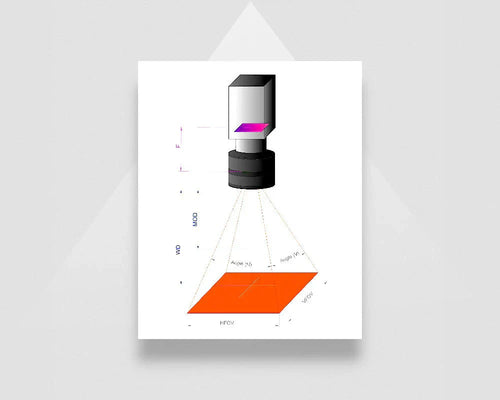
- Consider object size, field of view, working distance, speed, image detail and environment
- Define the smallest object or defect that needs to be detected
- Determine the full field of view and process speed
Match the camera and components to the image result
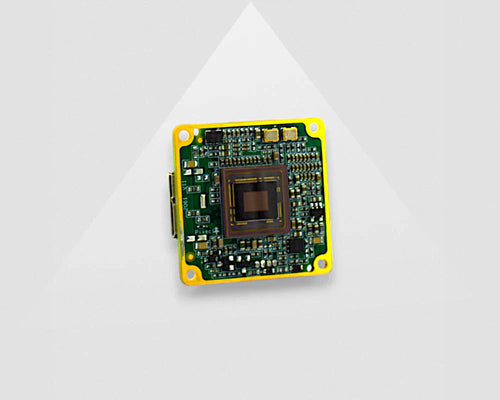
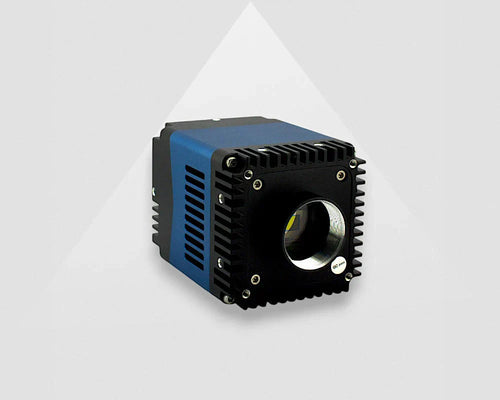
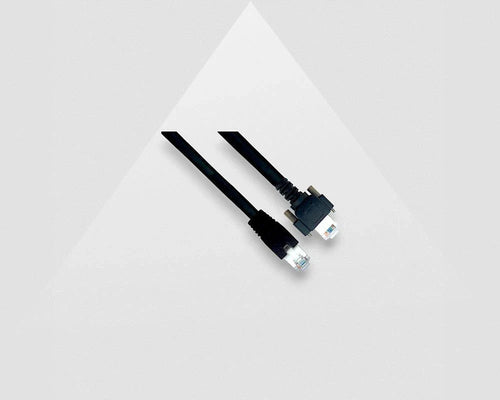
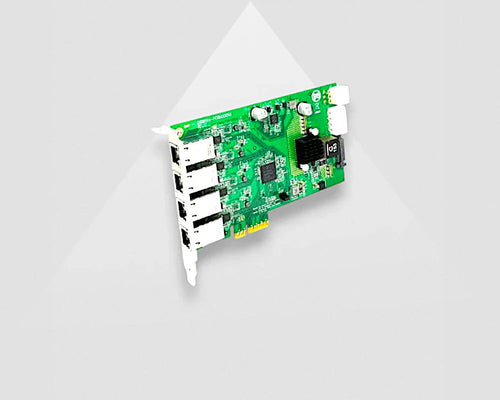
Camera interface: USB3 Vision is practical for compact setups with shorter cable lengths. GigE Vision is useful for longer cable runs and network-based systems. 5GigE, 10GigE and CoaXPress support higher bandwidth or faster image transfer.
Sensor and shutter type: Global shutter cameras are often selected for moving objects. Rolling shutter cameras can be suitable for stationary applications or lower-cost setups.
Resolution and frame rate: Resolution should match the smallest feature that must be detected, while frame rate should match the speed of the process.
Monochrome or color: Monochrome cameras are often used for contrast, sensitivity and measurement. Color cameras are useful when color information is part of the inspection.
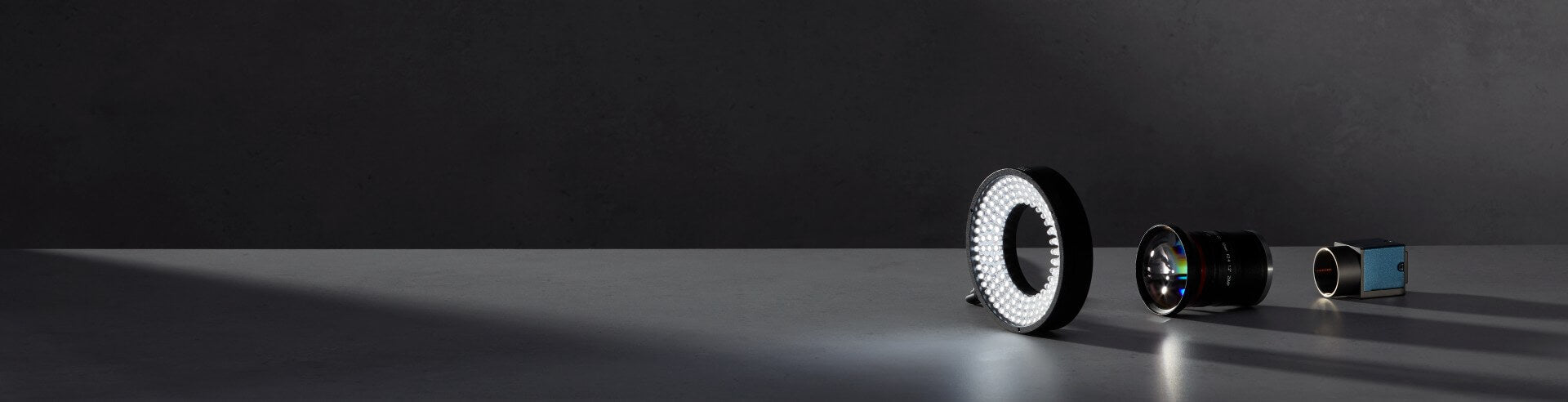
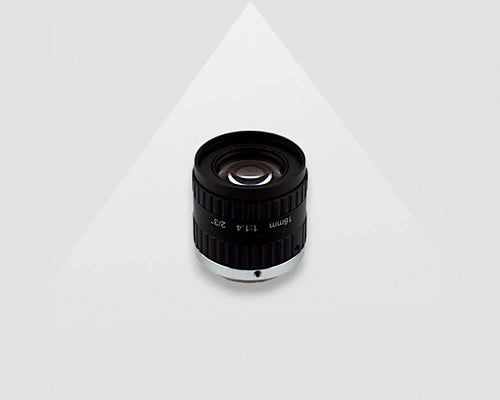
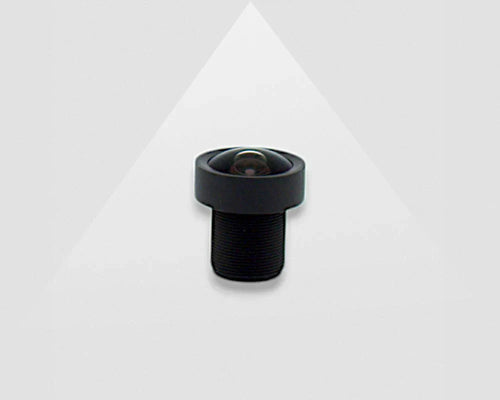
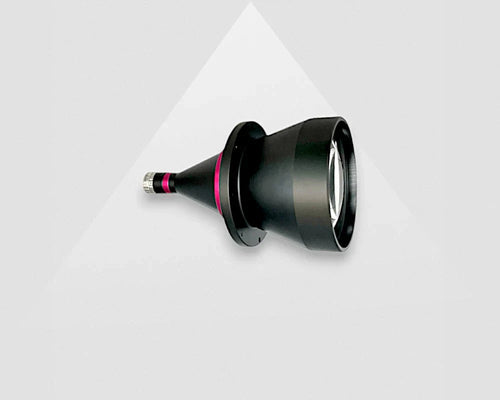
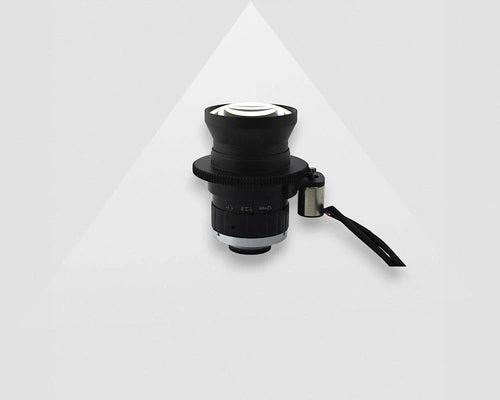
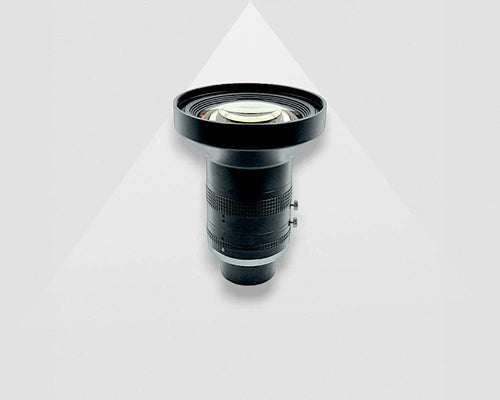
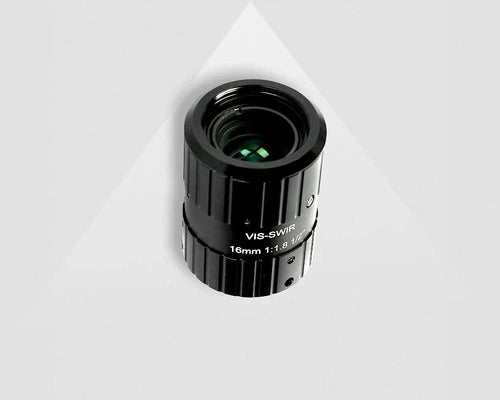
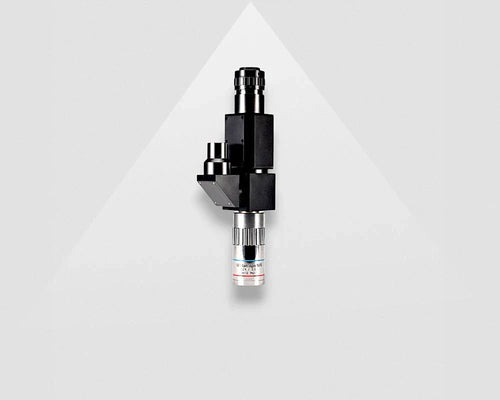
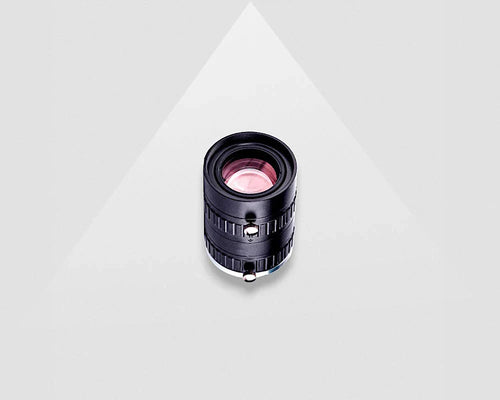
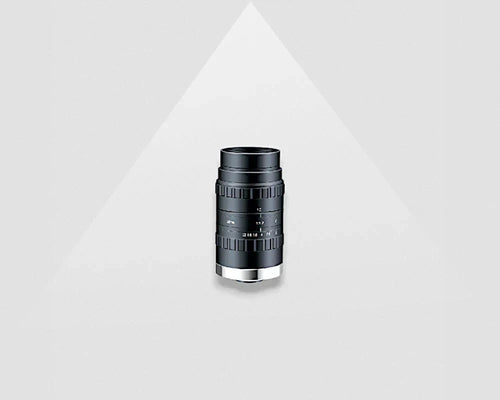
Lens and lighting: The lens must match the sensor, field of view and working distance. Lighting should create enough contrast for reliable detection.
Software and processing: Software should support the inspection task, such as object detection, measurement, defect inspection, OCR, code reading or deep learning classification. Also consider whether image processing will take place on an industrial PC, embedded system, edge device or smart camera.